- Stress and anxiety
- Addictions support
- Goal focused
About Brandon
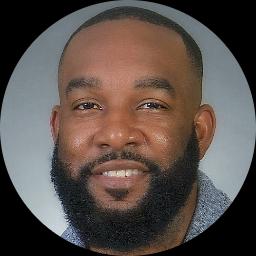
Dr. Brandon Lowe is a licensed clinical mental health counselor (LCMHC) based in North Carolina who helps people facing stress, anxiety, addictions, trauma, and self-esteem struggles. He works with adults who want practical ways to cope with life changes and rebuild motivation. He aims to treat each person with respect, sensitivity, and compassion.
With 18 years of experience, he adapts conversations and plans to fit each person’s needs. Sessions focus on clear goals, skills that are useful day to day, and steady progress rather than quick fixes. He draws on several approaches to help people manage cravings, reduce panic, rebuild confidence, and process difficult memories.
Dr. Lowe’s background includes long-term work with addictive behaviors and trauma-related concerns. That experience informs how he helps clients set realistic steps and stay engaged when change feels hard. He pays attention to how past relationships and family patterns shape current problems.
Therapy sessions commonly include talking through current problems, practicing coping strategies, and testing small changes between sessions. Motivational techniques are used when people feel stuck or unsure about change. Cognitive and behavioral strategies help with anxiety and addictive patterns.
People who want straightforward, goal-oriented work often find this approach useful. If you’re weighing options, he encourages a brief initial conversation to see whether his style and experience fit your needs.
How therapeutic approaches shape online work
Client-Centered Therapy focuses on listening closely and following the person’s lead, which helps people feel heard and decide what matters most. Cognitive Behavioral Therapy (CBT) looks at how thoughts, feelings, and actions connect and teaches practical tools to change unhelpful patterns. Dialectical Behavior Therapy (DBT) emphasizes skills for managing intense emotions and improving coping during crises.Finding the right mix of approaches is part of the process. The therapist will work collaboratively to identify goals, try approaches that fit those goals, and adjust the plan based on what helps. That collaborative testing helps people build momentum and stay engaged when progress feels slow.
The practical benefits of online therapy include easier fitting sessions into a busy week and keeping therapy consistent during life transitions. Online work can make it simpler to have shorter check-ins, schedule sessions around work, or avoid travel time. The biography does not specify which session formats are offered, so confirm current options before booking to ensure they fit your needs.
Areas of focus
Frequently asked questions
What concerns does he help with?
He works with stress, anxiety, addictions, trauma and abuse, self-esteem, and coping with life changes, plus related issues like communication problems and family of origin concerns.
What is his therapeutic style?
He uses a practical, goal-focused approach that adapts to each person. Sessions combine talking, skill practice, and steps to try between meetings.
How much clinical experience does he have?
He has 18 years of professional experience working with addictive behaviors, trauma, and related mental health concerns.
What credentials and location are listed?
He is a licensed clinical mental health counselor (LCMHC) practicing in North Carolina.
Which languages are supported for sessions?
Sessions are offered in English.
What session formats are available?
The original biography does not specify session formats; please confirm current session options before booking.
How does pricing work?
Cost varies with location and therapist availability; sessions use a subscription that can be canceled at any time.
How do I begin work with him?
Click the Start Therapy button, complete a short matching questionnaire, and schedule according to therapist availability.