- Client-centered listening
- Goal-focused planning
- Trauma-informed care
About Chana
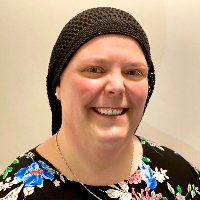
Chana Rivka Hersh is a Licensed Professional Counselor (LPC) in Texas who helps people facing stress, anxiety, trauma, relationship strain, grief, depression, and challenges around money and life changes. She brings a steady, listening-first style and focuses on what clients want to change. Sessions begin with practical goals and a plan to make progress one step at a time.
Her approach starts with the person in front of her. She uses a client-centered stance to listen without judgment and build trust. From there she blends techniques to match each person’s needs, drawing on attachment ideas, cognitive-behavioral tools, and other methods to address patterns, feelings, and behaviors.
Hersh has worked in counseling since 1994 and earned a Master of Arts in Community Counseling from Texas State University. Early in her career she supported people transitioning out of long-term hospital care. Later she focused on helping people who experienced abuse or neglect and those coping with severe depression, anxiety, or trauma.
She has worked with issues such as substance use, sexual addictions, eating concerns, chronic pain, suicidal ideation and family system problems. Hersh aims to set clear outcomes with each client so progress can be seen and measured over time.
People who meet with her can expect straightforward, goal-oriented sessions that follow their pace. To start, clients choose their goals and Hersh helps create a practical roadmap to reach them.
How these approaches translate to online work
Attachment-Based Therapy focuses on how early relationships shape how people connect today. Online sessions can help identify patterns in trust, closeness, and boundaries and practice different ways of relating. Cognitive Behavioral Therapy, or CBT, looks at the links between thoughts, feelings, and actions and teaches concrete skills to change unhelpful patterns. It is useful for anxiety, depression, sleep, and coping with life changes.Finding the right approach is a collaborative process. The therapist will listen to goals and concerns and discuss which methods might help most. Clients shape the pace and focus so techniques match their needs and comfort level.
Session formats are not specified in the biography, so confirm current options before booking. Online work can make therapy easier to fit into a busy life - it can reduce travel, allow shorter check-ins when needed, and make evening or weekday sessions more practical. Many people find that remote sessions let them apply new skills between meetings and keep momentum toward their goals.
Areas of focus
Frequently asked questions
What concerns does she help with?
She works with stress, anxiety, relationship problems, trauma and abuse, grief, depression, addictions, and money and financial issues among many other concerns.
How would you describe her therapy style?
She begins with person-centered listening to build trust, then blends approaches to match each client’s goals and comfort level.
What is her clinical background?
She has worked in counseling since 1994 and focused early on helping people transition from long-term hospital care and later on survivors of abuse and neglect.
What credentials and location does she hold?
She is a Licensed Professional Counselor, LPC, practicing in Texas.
Which languages are sessions offered in?
Sessions are offered in English only.
Does she work with international clients?
She does not accept international clients at this time.
How is cost handled for sessions?
Cost varies with location and therapist availability; sessions use a subscription that can be canceled at any time.
How do I begin working with her?
Select the Start Therapy button, complete a short matching questionnaire, and then schedule according to therapist availability.