- Client-centered approach
- Cognitive behavioral tools
- Practical coping skills
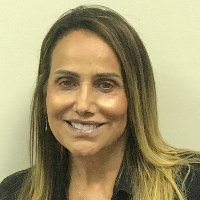
About Cheryl
Cheryl Youngblood, LCSW, works with people facing stress, anxiety, depression, addiction, relationship and intimacy concerns, and the challenges of life transitions. She also focuses on family issues, trauma and abuse, sleep problems, anger, self-esteem, ADHD, and concerns related to adoption, attachment, and caregiver stress. Cheryl practices in California and brings 12 years of licensed social work experience to her work.
Cheryl uses a straightforward, compassionate style in sessions. She centers the conversation on the person's experience and helps identify practical steps to feel better. Her approach draws on client-centered listening alongside evidence-informed tools to manage strong emotions and distressing thoughts.
Her background includes long experience with foster and adoptive care and years helping people affected by trauma and domestic violence before obtaining her LCSW. She is gerontology informed and has a particular interest in helping mature adults and people who care for aging relatives. That history informs how she sees attachment, loss, and caregiving stress.
In therapy she mixes approaches to match what a person needs. She often uses Cognitive Behavioral Therapy techniques to notice and change unhelpful thought patterns, Emotionally-Focused ideas to map important relationships, and Motivational Interviewing when people want help changing habits. She also draws on Narrative Therapy and solution-focused steps to set small, concrete goals.
Sessions include breathing exercises, guided imagery, sensory grounding, and simple mindfulness practices. Cheryl aims to create a calm, nonjudgmental space where people can feel heard and begin to try new coping strategies. To get started, follow the site process to match and schedule a session.
How Cheryl’s approaches translate to online work
Cheryl commonly uses Client-Centered Therapy to provide a listening, person-focused environment where the client's priorities guide each session. This approach helps when people need an empathetic space to talk through stress, grief, or relationship concerns.She also draws on Cognitive Behavioral Therapy to identify unhelpful thinking and to practice concrete skills for anxiety, sleep issues, and mood problems. Emotionally-Focused Therapy ideas can be used to look at how important relationships shape feelings and to practice new ways of connecting with others.
Finding the right approach is part of the work. Cheryl will collaborate with each person to decide which methods fit their goals and preferences. She checks in regularly and adjusts techniques so sessions stay practical and relevant.
If you are considering online therapy, confirm the session formats available before booking since formats are not listed here. Online care can make it easier to fit appointments into a busy life, save travel time, and allow brief check-ins when needed. Some methods Cheryl uses translate well to remote sessions, like guided breathing, cognitive exercises, and narrative work, because they require simple instructions and practice rather than special equipment.
Areas of focus
Frequently asked questions
What concerns does Cheryl help with?
She supports people dealing with stress, anxiety, depression, trauma, addiction, relationship and intimacy issues, sleep problems, anger, low self-esteem, ADHD, and many family-related concerns such as attachment, abandonment, and caregiver stress.
How would you describe her therapeutic style?
Her style is compassionate and practical. Sessions focus on listening first, then introducing tools and short-term goals to reduce distress and improve daily functioning.
What experience does she bring to therapy?
She has 12 years of experience as a licensed social worker and prior leadership in a foster and adoptive care agency, which informs her approach to trauma, attachment, and caregiver issues.
What credentials and region are listed for the therapist?
Cheryl holds the LCSW credential and practices in California.
Which languages are sessions offered in?
Sessions are offered in English.
Are international clients accepted?
International clients are not currently accepted.
How is cost handled for sessions?
Cost varies with location and therapist arrangements; sessions use a subscription that can be canceled at any time.
What are the steps to get started?
Click the Start Therapy button, complete a short matching questionnaire, and schedule based on the therapist's availability.