- Client-centered care
- Practical problem solving
- Focus on life changes
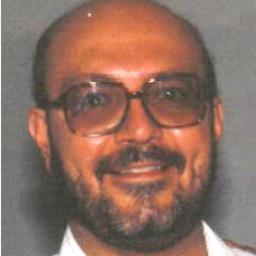
About David
Dr. David Posipanka uses a person-focused, straightforward approach to therapy. He is a licensed professional counselor, LPC, with 30 years of experience and aims to make it easier to talk about hard things. He keeps sessions direct and compassionate so people can start making practical changes.
He helps people who are managing stress and anxiety, coping with addictions, handling parenting strain, and working through depression. He also addresses life transitions and problems tied to abandonment, attachment, chronic illness, codependency, and impulsivity. These focus areas show up in everyday struggles and in major life changes.
In sessions he prioritizes an open, nonjudgmental environment where people can say what they really feel. Conversations tend to focus on clear goals and small steps people can take between meetings. He uses approaches that emphasize listening, practical thinking exercises, and raising awareness of habitual patterns.
Over three decades of practice have included helping people navigate divorce, fatherhood issues, first responder stress, and grief over loss. He also supports people dealing with aging or geriatric concerns, chronic pain and illness, and recovery from substance use problems. The aim is steady progress rather than quick fixes.
Dr. Posipanka works in Pennsylvania and offers services in English. He invites people to consider therapy as a collaborative process and to take the first step when they feel ready.
How his approaches translate to online work
Client-Centered Therapy focuses on listening and responding to each person's needs. It relies on empathy and support to help people identify what matters most and to set personal goals. Cognitive Behavioral Therapy, or CBT, looks at patterns of thinking and behavior that keep problems going and uses practical exercises to change them. Existential Therapy helps people weigh values, meaning, and choices when facing life transitions or uncertainty.Choosing the right approach is part of the work. The therapist will talk with each person about goals, preferences, and what feels right. Together they decide which methods to try and adjust them as needed so the process fits the person's life.
The biography does not specify which remote formats are offered, so confirm session options before booking. Online sessions can make it easier to fit therapy into a busy schedule, allow shorter check-ins when needed, and reduce travel time. Licensed professionals can use these methods effectively over distance by focusing on clear goals, homework between sessions, and steady collaboration.
Areas of focus
Frequently asked questions
What kinds of concerns does he address?
He helps people with stress, anxiety, addictions, parenting problems, depression, and coping with life changes. Additional areas include issues like abandonment, attachment concerns, chronic pain, and codependency.
What is his therapeutic style?
He practices in a client-centered way with practical techniques from cognitive behavioral and mindfulness approaches. Sessions focus on listening, clear goals, and steps you can try between meetings.
How much experience does he have?
He has 30 years of professional work experience helping people manage emotional and behavioral concerns. That experience includes work with addiction, parenting challenges, and life transitions.
What are his credentials and where is he based?
He is an LPC, licensed in Pennsylvania. His practice is based in Pennsylvania.
Which languages are supported and can international clients connect?
Sessions are offered in English and international clients are accepted.
What session formats are available?
The original biography does not list specific session formats. Please confirm current session options before scheduling to make sure they meet your needs.
How does pricing work?
Cost varies with location and therapist availability, and sessions use a subscription that can be canceled at any time.
How do I begin working with him?
Use the Start Therapy button, complete a short matching questionnaire, and then schedule according to the therapist's availability.