- Client-centered approach
- Practical goal setting
- Evidence-informed methods
About David
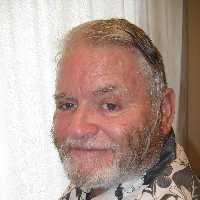
David Rice is a Licensed Clinical Mental Health Counselor (LCMHC) and a Licensed Clinical Professional Counselor (LCPC) with 22 years of experience. He helps people who are feeling overwhelmed by stress, anxiety, grief, relationship strain, parenting challenges, addictions, trauma, or depression. His approach is straightforward and respectful, focused on helping people find concrete steps forward.
He uses a client-centered style that treats the person, not just the problem. Sessions aim to set realistic goals and build practical skills for day-to-day life. He also draws on cognitive behavioral techniques and mindfulness to help change unhelpful thinking and manage strong emotions.
Rice brings decades of clinical work to sessions and tailors his methods to each person. He listens for the patterns that keep causing pain and helps people try new ways of responding. That may include learning emotion regulation tools, improving communication, or addressing unhealthy coping like substance use.
His background includes work with relationship issues, family concerns, aging and caregiver stress, chronic illness and pain, attachment difficulties, blended family challenges, and co-occurring problems. He combines empathy with practical direction so people leave sessions with usable next steps.
David works in Utah and conducts therapy in English. If you want to explore whether his style fits your needs, use the site Start Therapy button to complete the short matching questionnaire and schedule a session.
Online approaches that focus on skills and relationships
David frequently uses client-centered work and cognitive behavioral techniques together. Client-centered therapy means the therapist follows the person’s lead, listens without judgment, and helps people find their own solutions. Cognitive behavioral therapy (CBT) focuses on identifying unhelpful thinking and trying different behaviors to change how someone feels.He also incorporates elements of attachment-based thinking, which looks at how early patterns of relating affect current relationships and emotional reactions. That approach can be useful for people struggling with intimacy, communication, or family patterns. Together these methods aim to improve everyday coping and relationship skills rather than just talking about problems.
Finding the right approach is part of the work. The therapist will collaborate with the client to decide which methods fit best based on current needs, goals, and preferences. Sessions may shift over time as different skills are practiced and goals change.
Session format options are not listed in the biography, so confirm available online session types before booking. Online therapy can make it easier to fit counseling into busy lives, reduce travel time, and allow follow-up conversations between in-person visits. It can also let someone choose a quieter check-in, shorter appointments when needed, or less screen time while still working on clear, practical goals.
Areas of focus
Frequently asked questions
What kinds of problems does he help with?
He works with issues such as stress, anxiety, depression, relationship strain, grief, parenting challenges, addictions, trauma, anger, and intimacy-related concerns.
What is his therapeutic style like?
His style is client-centered and practical. He listens closely, sets realistic goals, and uses techniques to change unhelpful thoughts and behaviors.
How much experience does he have?
He has 22 years of clinical experience providing counseling across a range of concerns and populations.
What credentials and location are listed?
He holds LCMHC and LCPC credentials and practices in Utah.
Which languages are supported?
Sessions are offered in English.
Does he accept clients outside the United States?
International clients are not currently accepted.
How are fees and payment handled?
Cost varies by location and therapist availability; sessions use a subscription that can be canceled at any time.
How do I begin working with him?
Click the Start Therapy button, complete a short matching questionnaire, and schedule according to therapist availability.