- Client-focused
- Practical tools
- Experience-based
About Eugenia
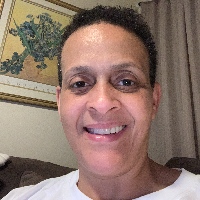
Eugenia Davis is a Licensed Clinical Mental Health Counselor - Supervisor (LCMHC-S) with more than 22 years in the mental health field. She earned a Master of Science in Mental Health Counseling from St. Thomas University in 1999 and holds a Bachelor of Arts in Criminal Justice from Florida Atlantic University. Eugenia has long worked with people facing mood and substance concerns, and brings experience from varied settings including foster care and correctional environments.
She uses clear, straightforward language in sessions. Clients are invited to tell their story and identify what they want to change. Eugenia emphasizes the client’s own strengths and choices rather than handing down answers. She offers a calm, objective perspective to help people see problems from new angles.
Her work often addresses stress, anxiety, depression, addictions, and trauma and abuse. She also supports people dealing with relationship strain, grief, self-esteem problems, bipolar disorder, ADHD, and parenting challenges. Additional focus areas include adoption and foster care issues, attachment and codependency concerns, chronic illness and caregiver stress, and coping after disasters.
Eugenia draws on several approaches to tailor sessions to each person. She uses client-centered methods to follow what matters most to the client, cognitive behavioral techniques to spot unhelpful thinking, and emotionally-focused ideas to address relationship patterns. Motivational interviewing and mindfulness tools also appear when they fit the goals.
She practices in North Carolina and works in English. International clients are accepted through the platform. To begin, a prospective client completes a short matching questionnaire and then schedules sessions according to the therapist’s availability.
How her approaches shape online therapy
Client-centered therapy focuses on what matters most to the person. The therapist listens closely, reflects what she hears, and follows the client’s priorities to guide each conversation. This approach helps when someone wants a supportive space to sort feelings and make decisions.Cognitive Behavioral Therapy, or CBT, looks at the link between thoughts, feelings, and behavior. It uses practical exercises to spot unhelpful thinking and try new responses. CBT can be useful for anxiety, depression, and managing stress that shows up around money and daily choices.
Emotionally-Focused Therapy helps people notice and change patterns in close relationships. It explores emotions and connection so partners or individuals can respond differently during conflict or disconnection.
Choosing the right approach is part of the work together. The therapist will talk with each person about goals, try methods that fit, and adjust the plan as needed. That collaborative process helps make sessions feel useful and relevant to everyday life.
The biography does not list specific online session formats, so confirm the available options before booking. Many people find remote sessions helpful because they can fit meetings around work, avoid travel time, or use shorter check-ins when schedules are tight. Online conversations also make it easier to continue care while living in a different state or country, subject to licensing rules and the therapist’s listed region.
Areas of focus
Frequently asked questions
What kinds of concerns does she help with?
Her practice covers stress, anxiety, depression, addictions, trauma and abuse, grief, and relationship and intimacy-related issues.
What is her general approach in sessions?
She uses a client-centered style and offers perspective to help people notice different ways of thinking and coping.
How much experience does she have?
She has more than 22 years of experience working in mental health and with substance use populations.
What credentials and region should I know about?
She is an LCMHC licensed in North Carolina and works from that state.
Which languages are supported for sessions?
Sessions are offered in English and international clients are accepted through the platform.
What session formats are available?
The biography does not list specific session formats, so please confirm current options when booking.
How are costs handled?
Session cost varies by location and therapist availability and uses a subscription that can be canceled at any time.
How do I begin working with her?
Click the Start Therapy button, complete a short matching questionnaire, and schedule sessions based on the therapist’s availability.