- Person-centered care
- Harm reduction focus
- Goal-driven planning
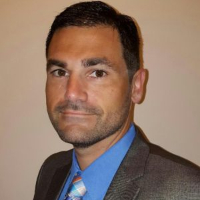
About Jason
Jason Vandewater is a Licensed Clinical Social Worker (LCSW) with 20 years of experience who helps people move forward in recovery and life change. He focuses on person-centered care and harm reduction, and works alongside clients to set clear goals. His approach aims to make progress feel practical and achievable rather than vague or overwhelming.
Jason uses brief, concrete steps to turn goals into action. He often blends coaching-style tools for career and life transitions with therapeutic work on mood, anxiety, and addiction. Sessions focus on what matters most to the client and on building skills that can be used between meetings.
He offers support for stress, anxiety, depression, bipolar concerns, and ADHD, and addresses issues such as addictions, anger, intimacy-related problems, and trauma and abuse. He also helps with parenting and family-related stress, caregiver strain, chronic health challenges, and the emotional effects of life events like divorce or aging.
Jason emphasizes practical plans that include measurable steps. He helps people develop perseverance, flexibility, and stronger self-worth. Techniques he draws on include client-centered work, cognitive behavioral ideas, dialectical behavior strategies, existential reflection, and mindfulness skills.
People who want coaching-style help with career moves or who prefer a goal-focused, harm-reduction approach may find his style a good fit. He welcomes international clients and works in English. To begin, follow the site process to be matched and schedule according to availability.
Therapeutic approaches and how they work online
Client-centered therapy focuses on the person's goals and priorities. The therapist listens closely, reflects what he hears, and helps clients choose the next steps that feel right to them. This approach is useful when someone wants support in making decisions or building self-worth.Cognitive Behavioral Therapy, or CBT, looks at thoughts and behaviors that get in the way of feeling better. It breaks problems into manageable parts and tests different ways of responding to stress, anxiety, or low mood. CBT can be helpful for anxiety, depression, and many everyday challenges.
Dialectical Behavior Therapy, DBT, adds skills for handling intense emotions and improving relationships. It teaches techniques for managing distress, tolerating discomfort, and communicating more effectively. These skills often fit well with harm-reduction goals and addiction-related work.
Finding the right approach is part of the work. The therapist will help figure out which methods match a client's needs, goals, and preferences in a collaborative way. That means trying strategies, checking what helps, and adjusting as goals change.
Session formats are not listed in the biography, so confirm available options before booking. Online therapy can make it easier to fit sessions into a busy life - for example it can reduce travel time, allow shorter check-ins during a lunch break, or let someone choose a quieter setting with fewer distractions. Licensed professionals can adapt these therapeutic approaches to work through stresses, addiction concerns, career shifts, and relationship issues in ways that fit everyday routines.
Areas of focus
Frequently asked questions
What concerns does he focus on?
He helps people with stress, anxiety, depression, bipolar issues, addictions, anger, relationship and intimacy-related concerns, trauma and abuse, ADHD, and related life changes.
What is his general therapeutic style?
His work is person-centered and goal-focused, emphasizing harm reduction and practical action steps that clients can use between sessions.
How much experience does he have?
He has 20 years of clinical experience as a Licensed Clinical Social Worker working with people on recovery and life transitions.
Where is he licensed and based?
He holds LCSW credentials in North Carolina and also has NC LCSW and FL LCSW listings; he practices from North Carolina.
In which languages are sessions offered?
Sessions are offered in English, and he accepts international clients.
What formats are available for sessions?
The biography does not list specific session formats; please confirm current session options when you schedule to know whether online or other formats are offered.
How much do sessions cost?
Cost varies with location and therapist availability; sessions use a subscription that can be canceled at any time.
How do I begin working with him?
Use the Start Therapy button, complete the short matching questionnaire, and schedule sessions according to the therapist's availability.