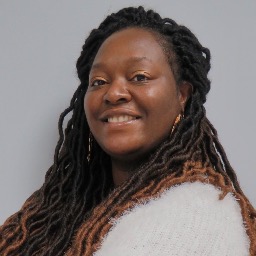
- LCMHC in North Carolina
- Practical coping skills
- Focus on life transitions
About Julia
Julia Davis is a licensed clinical mental health counselor (LCMHC) based in North Carolina. She focuses on helping people handle stress, anxiety, grief, depression, and life transitions. People come to her for help with relationship and intimacy issues, addiction concerns, sleep and eating problems, and work or career strain.
She draws on a mix of practical approaches to tailor sessions to the person in front of her. That can mean using cognitive-behavioral tools to change unhelpful thoughts and behaviors, building emotional awareness, or strengthening how people relate to others. Sessions are geared toward small, doable steps rather than quick fixes.
With five years of experience, Julia has supported people facing trauma, bipolar disorder, ADHD, and other complex challenges. Her past work has included supporting LGBTQ+ individuals and people impacted by homelessness and the justice system. She emphasizes respect, sensitivity, and avoiding stigmatizing labels.
Julia describes therapy as a process that needs active participation. She works with each person to shape a plan that fits their goals and daily life. Progress often comes from learning new coping skills and making steady changes to routines and responses.
People who want to begin can expect straightforward conversation and practical tools. Julia aims to offer a calm, nonjudgmental space where clients can sort through difficult emotions and find clearer next steps.
How these approaches guide online work
Acceptance and Commitment Therapy, or ACT, helps people notice difficult thoughts and feelings without getting stuck in them. It focuses on values and small actions that move someone toward the life they want. Cognitive Behavioral Therapy, or CBT, looks at the link between thoughts, feelings, and behaviors and teaches concrete skills to shift unhelpful patterns. These tools are often used for anxiety, depression, and sleep or eating concerns. Attachment-Based Therapy focuses on how early and current relationships shape how people connect and respond to others, which is useful for intimacy and relationship problems.Finding the right approach is part of the work. Julia will talk with each person about goals, preferences, and what feels most helpful. Together they decide which techniques to try and adjust the plan over time based on what works.
If you are considering online therapy, confirm current session options before booking since session formats are not specified here. Online sessions can make it easier to fit therapy into a busy schedule, reduce travel time, and allow for shorter check-ins when needed. Licensed professionals can use these formats to help people practice skills between sessions and track progress in daily life.
Areas of focus
Frequently asked questions
What concerns does Julia commonly address?
She helps people with stress, anxiety, depression, trauma and abuse, grief, addictions, relationship and intimacy-related issues, and many other concerns listed in her specialties.
What is her general therapy style?
Julia blends practical methods like cognitive-behavioral work with client-centered and attachment-informed approaches to create a plan that fits each person.
How much clinical experience does she have?
She has five years of experience working with people facing a range of mental health and life challenges.
What credential does she hold and where is she located?
Julia holds the credential LCMHC and practices in North Carolina.
Which languages are supported in sessions?
Sessions are offered in English.
Can international clients book sessions?
She does not accept international clients at this time.
How are sessions priced and billed?
Cost varies with location and therapist availability; sessions use a subscription model that can be canceled at any time.
How do I begin working with her?
Select the Start Therapy button, complete the short matching questionnaire, and schedule according to therapist availability.