- 17 years experience
- LCSW in Oregon
- Focus on life changes
About Kelly
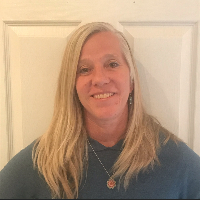
Kelly Goodman is a licensed clinical social worker who offers steady, practical support for people facing stress, anxiety, grief, depression, bipolar challenges, and struggles with money and life transitions. She writes and talks plainly, and aims to help clients find tools that fit their daily lives. Kelly brings 17 years as an LCSW to her work in Oregon and focuses on real-world solutions rather than abstract theory.
Her background includes long experience in community mental health and public health settings. She has worked with unhoused people, supported medical respite programs, and taught chronic pain management and peer counseling. That work taught her to prioritize basic needs like housing and benefits before expecting deeper therapeutic shifts.
Kelly also spends time in emergency settings doing mental health and risk assessments and works on an adolescent psychiatric unit as an on-call family therapist. Those roles shaped her understanding of trauma across the lifespan and how crises can disrupt day-to-day functioning.
In sessions she centers practical skills and steady support. She draws on attachment-based ideas to look at relationships, client-centered listening to follow each person’s lead, cognitive behavioral techniques to change unhelpful patterns, mindfulness for calm, and motivational interviewing when people want to make change.
Her life experience includes adoption, caregiving during serious illness, interracial family life, and long-term social justice advocacy. Kelly aims to help people increase resilience, manage overwhelm, and regain more enjoyment in life.
How Kelly’s Approaches Shape Online Therapy
Kelly often uses client-centered therapy to listen closely and follow what matters most to each person. This approach helps people feel heard and guides the pace and focus of sessions. She also uses cognitive behavioral therapy to identify unhelpful thinking and behavior patterns and to practice concrete strategies for change. Attachment-based ideas are used to look at relationship patterns and how early bonds affect current connections.Choosing the right approach is a collaborative process. Kelly will work with clients to name goals, try techniques, and adjust methods as needed. Treatment plans are shaped by a person’s needs, goals, and preferences rather than a fixed protocol.
If you are considering online therapy, confirm the current session options before booking. Online work can make it easier to fit therapy into a busy week, reduce travel time, and allow shorter check-ins when needed. It also makes it simpler to continue care during life transitions or when juggling work and caregiving. Licensed professionals, including therapists like Kelly, adapt exercises and coping tools to work well in remote sessions.
Areas of focus
Frequently asked questions
What concerns does Kelly commonly help with?
She works with stress, anxiety, grief, depression, bipolar disorder, addiction-related issues, trauma and abuse, relationship and intimacy concerns, parenting stress, self-esteem, career worries, ADHD, and money or financial issues.
What is her general therapy style?
Kelly blends client-centered listening with practical skills. Sessions often mix attachment-focused reflection, cognitive-behavioral technique, mindfulness, and motivational interviewing to meet immediate needs.
How much clinical experience does she have?
She has worked as a social worker for three decades and has been a licensed clinical social worker for 17 years, with experience in community mental health and public health settings.
Where is she based and what credential does she hold?
She practices in Oregon and holds the credential LCSW, which stands for licensed clinical social worker.
Which languages are sessions provided in?
Sessions are offered in English.
Can people from other countries work with her?
She does not accept international clients at this time.
How are costs handled for sessions?
Cost varies by location and therapist availability; sessions use a subscription model that can be canceled at any time.
What are the first steps to begin therapy?
Click the Start Therapy button, complete a short matching questionnaire, and then schedule sessions based on the therapist's availability.