- Stress and anxiety help
- Trauma-informed care
- Money-related stress
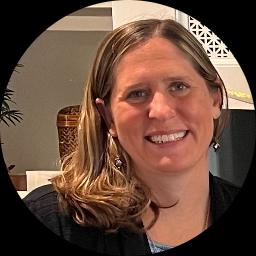
About Laura
Laura Finney is a licensed clinical mental health counselor (LCMHC) practicing in North Carolina with 12 years of experience. She helps people who are feeling overwhelmed by stress, anxiety, trauma, or life transitions. She also supports those struggling with self-esteem, career questions, and motivation.
Her style is straightforward and compassionate. She creates an open space where thoughts and feelings can be talked about without judgment. Sessions focus on practical steps that clients can try between meetings as well as understanding patterns that keep problems recurring.
Laura draws on evidence-based therapeutic techniques to address trauma, panic, and mood concerns. She can help people notice how worry and avoidance keep anxiety going and work on small, manageable changes to break that cycle. For people facing caregiver strain, chronic illness, or persistent shame and guilt, she offers steady support and concrete coping ideas.
Money and financial issues are among the areas she pays attention to when they affect mood and decision-making. She helps people talk through money-related stress and its emotional impact, and to develop clearer steps for moving forward.
Starting work with Laura begins with a short matching questionnaire and scheduling according to therapist availability. The initial sessions typically focus on identifying immediate concerns and agreeing on goals for therapy.
How evidence-based techniques translate to online work
Laura uses evidence-based therapeutic techniques to guide sessions. One common approach focuses on recognizing and changing thought patterns that fuel anxiety and low mood; it helps people test unhelpful beliefs and try new behaviors. Another approach addresses trauma and panic by helping clients build tolerance for strong emotions and develop safer ways to respond when distressing memories or panic symptoms arise. Choosing the right approach is part of the work together. The therapist will listen to your goals and needs, then suggest methods that fit your situation. Decisions about techniques are collaborative and can be adjusted as progress is made. Confirm the available session options before booking, since formats are not listed here. Online therapy can make it easier to fit appointments into a busy life because it removes travel time and allows sessions from different locations. It also supports shorter check-ins when schedules are tight and makes it possible to continue work between in-person visits when people relocate or have limited time.Areas of focus
Frequently asked questions
What issues does Laura commonly address?
She works with stress, anxiety, trauma and abuse, self-esteem, career concerns, and coping with life changes, plus related topics like chronic illness, guilt, and social anxiety.
How would you describe her therapeutic style?
Her approach is open and nonjudgmental, with a focus on practical steps and emotional support. She helps clients try changes between sessions and talks through patterns that maintain problems.
What background does she bring to therapy?
She has 12 years of professional work experience helping people with mood, panic, trauma, and life transitions.
What credentials and location are on record?
She is a North Carolina LCMHC, which stands for Licensed Clinical Mental Health Counselor, and practices in North Carolina.
Which languages are sessions offered in?
Sessions are offered in English.
Can people outside the U.S. work with her?
She does not accept international clients at this time.
How are sessions scheduled and paid for?
Cost varies with location and therapist availability; sessions use a subscription that can be canceled at any time.
What are the first steps to begin therapy?
Click the Start Therapy button, complete a short matching questionnaire, and schedule appointments according to therapist availability.