- Client-centered listening
- Goal-focused work
- Trauma-aware care
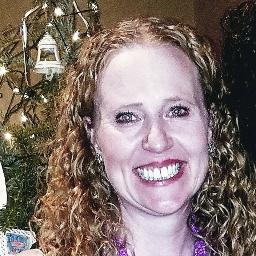
About Mary
Mary Creamer-Tate is an Illinois licensed clinical social worker who focuses on helping people navigate stress, anxiety, relationship questions, trauma, and LGBT concerns. She emphasizes that clients know their own stories and brings a respectful, supportive presence to sessions. Mary encourages small steps and recognizes that reaching out for help takes courage.
Mary uses straightforward, practical methods in sessions. She listens first to understand what matters most to the person in front of her. From there she works with clients to set clear goals and build skills that help with daily life, sleep, mood, and managing difficult memories.
Her approach mixes client-centered listening with methods that look at thoughts and behaviors, and short-term goal work. That combination helps people challenge unhelpful patterns and try new ways of coping. Mary also brings trauma-focused techniques when past hurt needs careful attention.
With three years of professional experience, she aims to make therapy a collaborative effort. Sessions focus on what the client wants to change and on practical steps they can take between meetings. The work often includes skill practice, problem-solving, and checking what’s working.
Mary supports people facing a wide range of concerns, including depression, grief, addictions, parenting stress, self-esteem, career strain, bipolar challenges, and ADHD-related difficulties. She also addresses issues like body image, attachment questions, caregiver stress, chronic illness, and coping with life changes and disasters. Her style stays grounded and approachable while targeting concrete improvements.
How these approaches shape online work
Client-Centered Therapy focuses on listening and understanding the client’s own goals. The therapist follows the person’s lead, reflects what she hears, and helps clients identify strengths they can use to cope. Cognitive Behavioral Therapy, or CBT, looks at how thoughts and behaviors affect mood. It teaches practical skills for changing patterns that contribute to anxiety, low mood, sleep problems, and other everyday struggles. Solution-Focused Therapy emphasizes clear, short-term goals and actionable steps. It helps people pinpoint what they want to change and try specific strategies to move toward that outcome.Finding the right mix of approaches is part of the process. Mary works collaboratively to choose methods that fit each person’s needs, goals, and preferences. She checks in about what’s helping and adjusts the plan as the work progresses.
The original biography does not list specific online session formats, so confirm current session options before booking. Many people find therapy easier to fit into their schedules when sessions can be scheduled around work, caregiving, or medical needs. Online work can make it simpler to have shorter check-ins, preserve travel time, or choose a setup that matches the level of interaction someone prefers. Licensed professionals and therapists commonly use these practical benefits to help clients maintain momentum between sessions and practice new skills in daily life.
Areas of focus
Frequently asked questions
What kinds of problems does Mary address?
She helps people with stress, anxiety, depression, trauma and abuse, relationship and intimacy concerns, LGBT issues, addictions, grief, parenting strain, sleep and eating concerns, and more.
What is Mary’s therapy style like?
Her style is client-centered and practical. She listens first, then uses goal-focused and cognitive-behavioral techniques along with trauma-informed work as needed.
How much experience does she have?
Mary has three years of professional experience working with a range of mental health and life challenges.
What are her credentials and where is she based?
Mary holds an LCSW and is licensed in Illinois.
Can I work with her if I live outside the United States?
International clients are not currently accepted; sessions are offered in English to people within her practice region.
What session formats does she offer?
The original biography does not specify session formats; please confirm current session options before booking.
How are costs handled?
Fees vary with location and therapist availability, and sessions use a subscription that can be canceled at any time.
How do I begin working with Mary?
Select the Start Therapy button, complete a short matching questionnaire, and schedule according to therapist availability.