- ADHD support
- Stress and anxiety
- Career and priorities
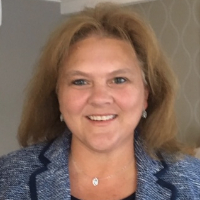
About Michelle
Michelle Gross is a licensed clinical mental health counselor with twenty years of experience helping people facing stress, anxiety, ADHD, grief, depression, and life transitions. She combines practical coaching instincts with counseling to help clients turn insights into action. Michelle uses straightforward language and clear strategies so people can use what they learn right away.
She draws on a background in counseling, education, and business to shape each session around the client’s needs. Michelle emphasizes self-awareness and honest connection as starting points for change. Sessions often focus on manageable skills - routines, time management, emotional coping, and problem solving - rather than abstract theory.
Michelle has worked in schools, universities, corporations, and private practice. That range helps her support people who juggle work, family roles, and caregiving responsibilities. She also brings experience helping entrepreneurs and professionals clarify priorities and improve task completion and delegation.
A common focus is ADHD across adolescence, college, and adulthood; Michelle helps people build coping strategies that match how their brains work. She also helps those dealing with grief, depression, anxiety, and compassion fatigue to find practical ways forward.
Her style blends Client-Centered work with evidence-based techniques like cognitive behavioral strategies, dialectical skills, mindfulness, and motivational interview methods. Michelle aims to collaborate with each person to create realistic goals and step-by-step plans they can try between sessions.
How Michelle’s approaches fit online therapy
Client-Centered Therapy focuses on listening, understanding each person’s experience, and shaping sessions around what matters most to them. This approach helps people feel heard and guides the work toward their personal goals.Cognitive Behavioral Therapy, or CBT, looks at the links between thoughts, feelings, and actions. It uses practical exercises and small experiments to change unhelpful patterns, which can help with anxiety, depression, and coping with life changes.
Dialectical Behavior Therapy skills offer concrete tools for regulating emotions, tolerating distress, and improving communication. These skills are useful when strong emotions or impulsivity make daily life hard.
Finding the right approach is part of the therapeutic process. The therapist will work with each person to decide which methods fit their needs, goals, and preferences. That decision is collaborative and can be adjusted as work progresses.
Session logistics are not specified in the biography, so confirm available online formats before booking. Online sessions can make it easier to fit therapy into a busy schedule, shorten travel time, and allow focused check-ins between commitments. They can also support people who live outside the therapist’s immediate area, since international clients are accepted.
Areas of focus
Frequently asked questions
What concerns does Michelle address?
She supports people with stress, anxiety, ADHD, grief, depression, addictions, and related issues listed in her specialties.
What is her therapeutic style like?
Sessions are practical and client-centered, focusing on self-awareness, clear goals, and doable skills to try between meetings.
How much experience does she have?
Michelle has two decades of experience in counseling, coaching, and education across schools, universities, corporations, and private practice.
What credentials and location are listed for this therapist?
She is an LCMHC licensed in North Carolina and practices from that state.
Which languages are available for sessions?
Sessions are offered in English, and she is open to international clients.
What session formats are offered?
The original biography does not specify session formats; please confirm current session options before booking.
How does pricing work?
Cost varies with location and therapist availability, and sessions use a subscription that can be canceled at any time.
How do I begin working with her?
Select the Start Therapy button, complete the short matching questionnaire, and schedule according to therapist availability.