- Focus on practical steps
- Person-centered approach
- Accepts international clients
About Monica
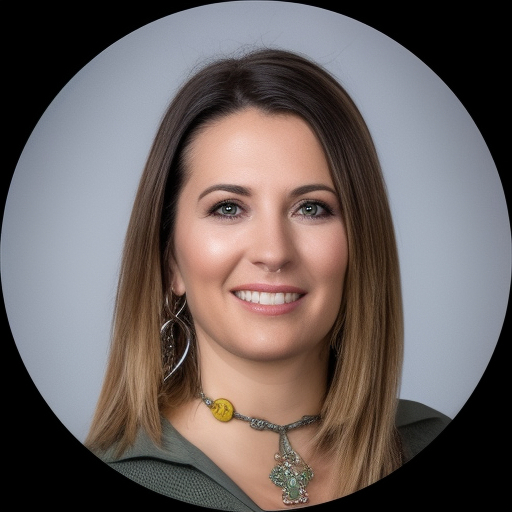
Monica Rawlings is a licensed clinical mental health counselor (LCMHC) based in Utah who helps people facing stress, anxiety, addiction, depression, and relationship concerns. She meets people where they are and focuses on practical steps that make daily life more manageable. Her style is warm and straightforward, aimed at reducing overwhelm and creating clearer next steps.
Monica guides clients through issues like grief, body image, attachment difficulties, and major life transitions such as divorce or midlife change. She also supports people dealing with trauma, PTSD, panic attacks, obsessive thoughts, and the effects of past abuse. Her background includes work with neurodivergent and LGBT individuals, and she attends carefully to cultural and identity factors.
Her work combines several therapeutic approaches to match what each person needs. She uses client-centered listening to understand a person's goals and attachment-based ideas to look at relationship patterns. Cognitive Behavioral Therapy and Dialectical Behavior Therapy tools are included when helpful for managing emotions and changing unhelpful thinking.
Monica has practiced for 10 years as an LCMHC in Utah. She aims to build resilience and practical skills so people can cope better day to day. She prefers a collaborative pace, letting clients set the rhythm of change.
To start, a prospective client selects the Start Therapy button, completes a short matching questionnaire, and schedules based on therapist availability. Sessions use a subscription that can be canceled at any time, and international clients are accepted.
How Monica’s Approaches Work Online
Attachment-Based Therapy focuses on patterns in close relationships and helps people notice how early connections shape current reactions. It can be useful for someone wrestling with trust, abandonment fears, or repeated relationship problems.Client-Centered Therapy centers on listening and understanding the person’s goals. The therapist follows the client’s concerns and supports self-directed growth, which helps when someone wants to explore values, identity, or life purpose.
Finding the right approach is part of the work. Monica collaborates with each person to decide which methods fit their needs, goals, and preferences. She adjusts techniques over time so the plan stays relevant to progress and changing priorities.
For practical online therapy benefits, ask about current session options before booking. Online sessions can make it easier to fit appointments into a busy week, reduce travel time, allow shorter check-ins when needed, and offer alternatives if being on camera is tiring. Licensed professionals can use these options to keep momentum between sessions and apply strategies in daily life.
Areas of focus
Frequently asked questions
What kinds of problems does Monica focus on?
She helps people with stress, anxiety, addiction, depression, relationship concerns, trauma and abuse, grief, body image, and related issues like parenting and coping with life changes.
How would you describe her therapy style?
The approach is collaborative and person-centered, using straightforward, practical steps and compassionate listening to help people build skills and insight.
What is her professional background?
Monica has 10 years of experience supporting people through major life challenges and transitions, including work with neurodivergent and LGBT individuals.
Where is she licensed and based?
She is a licensed clinical mental health counselor (LCMHC) practicing in Utah.
Which languages are available for sessions?
Sessions are offered in English and international clients are accepted.
What session formats are offered?
Please confirm current session options before booking since the biography does not list specific session formats.
How does payment and cost work?
Cost varies with location and therapist availability; sessions use a subscription that can be canceled at any time.
How do I begin working with Monica?
Click the Start Therapy button, complete a short matching questionnaire, and then schedule according to therapist availability.