- CBT informed
- Focus and attention
- Everyday coping skills
About Pamela
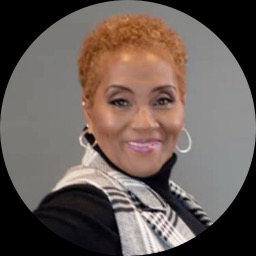
Pamela Peoples is a licensed clinical social worker in North Carolina with 16 years of clinical experience. She helps people who are feeling overwhelmed by stress, anxiety, low self-esteem, depression, or major life changes. She also supports people managing attention and focus concerns, relationship strain, grief, parenting challenges, and career-related stress.
Pamela keeps sessions straightforward and practical. She creates a calm space where people can name what is hard and learn new ways to cope. Conversations focus on everyday steps that fit into a person's life, such as adjusting routines, trying different thinking habits, and practicing simple skills between meetings.
Her work often uses Cognitive Behavioral Therapy, which looks at how thoughts, feelings, and actions interact. That approach is applied to issues like anxiety, mood shifts, and difficulties with focus. Pamela uses that framework in clear, down-to-earth language so people can try changes right away.
She describes counseling as a partnership. People set goals and Pamela helps plan small, manageable steps toward them. Progress is tracked by what feels different in day-to-day life rather than by abstract measures.
Pamela’s background includes a range of concerns beyond mood and attention, such as trauma and abuse, addiction, caregiver stress, chronic illness, and blended family challenges. She encourages people to take the first step when they are ready and offers steady support through change.
How CBT and practical therapy translate online
Many of Pamela's sessions draw on Cognitive Behavioral Therapy, which looks at how thoughts, feelings, and actions influence one another. CBT helps people spot unhelpful thinking patterns, try different perspectives, and practice new behaviors to reduce anxiety or lift mood. It is often used for worry, depression, and problems with focus.Her style emphasizes clear skills and small experiments. That means together they pick a goal, try specific steps between meetings, and review what worked. Deciding which approaches to try is collaborative and based on the person's needs, goals, and preferences rather than a preset plan.
The practical benefits of online therapy can include fitting sessions into a busy week and keeping momentum between appointments. Because the original biography does not list specific session formats, confirm the available online or in-person options before booking. Pamela aims to make work on stress, attention, and life changes fit real routines, so therapy can be easier to maintain alongside daily responsibilities.
Areas of focus
Frequently asked questions
What kinds of problems does Pamela help with?
She supports people dealing with stress, anxiety, low self-esteem, depression, coping with life changes, attention and focus concerns, relationship and family challenges, trauma, grief, parenting, career strain, and related issues.
What is her general approach in sessions?
Sessions are practical and collaborative, emphasizing clear steps and skills to try between meetings. Conversations focus on how thoughts, feelings, and behaviors interact and on small, doable changes.
How much experience does she have?
Pamela has 16 years of experience as a clinician working with a range of mood, attention, and life-transition concerns.
What credentials and location are listed?
She holds an LCSW, which stands for Licensed Clinical Social Worker, and is licensed in North Carolina.
Which languages are supported and are international clients accepted?
Sessions are offered in English and she does not accept international clients at this time.
What session formats are available?
The original biography does not specify session formats; please confirm current session options before booking.
How much do sessions cost?
Cost varies with location and therapist availability, and sessions use a subscription that can be canceled at any time.
How do I begin working with her?
Use the Start Therapy button, complete a short matching questionnaire, and then schedule according to the therapist's availability.