- Client-centered care
- Trauma-informed methods
- Skills and coping
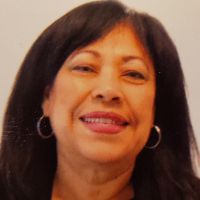
About Pamela
Dr. Pamela Vernon Stewart is a Licensed Clinical Professional Counselor (LCPC) based in Illinois with 24 years of clinical experience. She holds a doctoral degree in Clinical Psychology and a minor in Health Psychology. Dr. Stewart has worked in hospitals, residential facilities, and outpatient clinics, helping adults navigate stress, anxiety, trauma, addiction, grief, and other life challenges.
Her approach blends practical techniques with a focus on the whole person. She uses client-centered methods and borrows tools from cognitive behavioral strategies, dialectical behavior techniques, emotionally focused work, and EMDR to tailor care. Sessions are collaborative and paced to each person’s needs.
In the room she aims for warmth and directness. Conversations can include skills for managing strong emotions, strategies to reduce anxiety, guidance for coping with loss, and ways to address substance use. She also helps with career concerns, self-esteem, sleep and eating issues, and relationship or intimacy-related worries.
Dr. Stewart values the body-mind link and may include relaxation or mindfulness exercises as part of treatment. She works with adults 18 and older and has experience across many health and chronic illness scenarios. Her style emphasizes practical steps and ongoing planning so people can use what they learn day to day.
If someone wants to begin, the process starts with a short matching questionnaire and scheduling according to availability. The therapist and client build a plan together and adjust it as needs change.
How therapeutic approaches translate to online work
Client-Centered Therapy emphasizes listening and building a trusting relationship. The therapist focuses on understanding the person's point of view and supports clients in finding their own solutions, which helps with self-esteem, relationship concerns, and stress.Cognitive Behavioral Therapy, or CBT, looks at patterns of thought and behavior. It teaches practical skills to reduce anxiety, manage mood, address sleep or eating problems, and change unhelpful reactions to everyday situations.
Dialectical Behavior Therapy, DBT, adds training in emotion regulation, distress tolerance, and interpersonal effectiveness. It can be especially useful for intense emotions, anger management, and coping skills practice.
Choosing the right approach is a collaborative process. The therapist will talk with each person about their goals and try different methods to see what fits. Treatment plans are adjusted as progress is made and new needs appear.
Confirm the current session options before booking since formats are not specified here. Online therapy can make it easier to fit sessions into daily life, reduce travel time, and allow focused work from a quieter location. It also supports continuing work on skills between sessions so people can practice coping strategies in real situations.
Areas of focus
Frequently asked questions
What issues does this therapist help address?
She works with adults on stress, anxiety, trauma and abuse, depression, addictions, grief, relationship and intimacy-related issues, and many other concerns listed in her specialties.
What is her therapeutic style like?
Her style is collaborative and client-centered. She combines talk therapy with practical skills such as emotion regulation and relaxation techniques.
How much clinical experience does she have?
She brings 24 years of clinical experience, including work in hospitals, residential facilities, and outpatient clinics.
What credentials and location are listed for this therapist?
She is a Licensed Clinical Professional Counselor (LCPC) practicing in Illinois.
Which languages are supported for sessions?
Sessions are offered in English.
Can international clients work with this therapist?
International clients are not currently accepted.
How are session costs handled?
Costs vary with location and therapist availability; sessions use a subscription that can be canceled at any time.
How do I begin working with her?
Begin by selecting the Start Therapy button, completing a short matching questionnaire, and scheduling according to therapist availability.