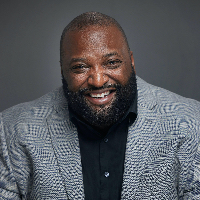
- 30 years experience
- LMHC in Florida
- Client-centered focus
About Patrick
Dr. Patrick Casthely is a Licensed Mental Health Counselor (LMHC) practicing in Florida with three decades of experience. He brings long-term clinical work to people facing stress, anxiety, substance concerns, mood shifts, and relationship difficulties. He draws on a broad set of approaches to tailor care to each person’s needs.
He keeps sessions straightforward and goal oriented. Conversations focus on what matters now - coping with life changes, managing grief, handling anger, or working through intimacy and commitment questions. He also addresses issues like parenting strain, career stress, body image concerns, and challenges linked to chronic illness.
His background spans community mental health, substance abuse treatment, and private practice. That mix of settings shaped a flexible style that combines problem-solving and deeper reflection. He emphasizes respect, sensitivity, and a nonjudgmental tone in sessions.
Therapeutic methods used include client-centered work, cognitive techniques, existential questions, motivational approaches, and narrative exploration. These are mixed to match a person’s goals rather than use a single rigid method. The aim is practical progress alongside understanding what drives patterns of behavior.
Dr. Casthely works with a wide range of concerns including trauma and abuse, addiction, bipolar and depressive symptoms, relationship and communication problems, and compassion fatigue. He frames therapy from a strengths perspective and helps people identify tools they can use day to day.
If someone decides to begin, he guides them through a clear plan that reflects their aims and pace. The process is collaborative, with adjustments made as goals change.
Approaches that translate to online work
Client-Centered Therapy focuses on listening and building understanding. The therapist follows the person's lead, reflects what matters, and helps clarify goals; this is useful when people need support with self-esteem, life changes, or relationship worries.Cognitive Behavioral Therapy (CBT) offers clear tools to change unhelpful thoughts and behaviors. Sessions often include practical exercises and homework that help with anxiety, depression, and stress management.
Motivational Interviewing is a short-term, goal-focused way to explore readiness for change. It helps people who are uncertain about taking steps around addiction, health habits, or big life decisions.
Finding the right approach is part of the work together. The therapist will talk through goals, preferences, and what has or hasn't helped before. This lets them combine methods in a way that fits the person's life and aims, and they adjust the plan as progress is made.
Confirm current session options before booking so you know how sessions are conducted. Many people find remote sessions easier to fit into work or family schedules, allow for shorter check-ins when time is limited, and make it simpler to continue ongoing care after moving or travel. Ask about the specific session formats offered when you complete the matching questionnaire.
Areas of focus
Frequently asked questions
What kinds of concerns does he help address?
He works with stress, anxiety, addictions, relationship and intimacy concerns, grief, depression, bipolar challenges, parenting issues, career strain, trauma, and many related concerns.
What is his general therapeutic style?
He uses an eclectic, client-centered style that blends cognitive techniques, existential reflection, motivational interviewing, and narrative work to fit each person.
How much clinical experience does he have?
He has about 30 years of experience across community mental health, substance abuse treatment, and private practice settings.
What credentials and location apply?
He is a Licensed Mental Health Counselor - LMHC - practicing in Florida.
Which languages are used in sessions?
Sessions are offered in English.
Does he work with international clients?
International clients are not currently accepted.
How are fees handled?
Cost varies with location and therapist availability; sessions use a subscription that can be canceled at any time.
How do I begin working with him?
Select the Start Therapy button, complete a short matching questionnaire, and schedule according to therapist availability.