- Strengths based approach
- Practical action plans
- Works with adults
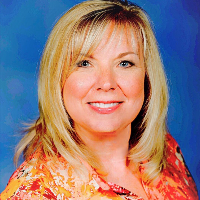
About Phyllis
Dr. Phyllis Mogielski-Watson is a licensed counselor in Illinois with three decades of clinical experience helping people manage stress, anxiety, depression, addictions, and the strain of life transitions. She supports those facing grief, relationship challenges, parenting pressures, career crossroads, ADHD, and issues related to self-esteem and coping. Dr. Mogielski-Watson uses straightforward conversations to help people set goals and move forward.
She draws on approaches such as Acceptance and Commitment Therapy, Cognitive Behavioral Therapy, Attachment-Based Therapy, Emotionally-Focused Therapy, and client-centered work. Sessions emphasize the client’s story and strengths. Practical steps and action plans are created together to address obstacles and build skills.
Her background includes long experience across age groups and settings, and she has worked with people recovering from substance use concerns and dealing with medical or caregiving stress. Dr. Mogielski-Watson frames therapy around purpose, meaning, and realistic changes that fit daily life.
In the therapy room she takes a humanistic, strength-based stance. That means she listens, helps people make sense of their experiences, and then supports concrete steps toward goals. The focus is on better coping, clearer values, and improved patterns of behavior and connection.
Her stated motto is Love YOUR Journey ~ Live YOUR Life, and her practice aims to help people clarify what matters and take manageable steps toward it.
Therapeutic approaches that translate to online work
Acceptance and Commitment Therapy helps people notice painful thoughts without getting stuck in them and then act in ways that match their values. It can be useful for anxiety, stress, and making changes that matter. Cognitive Behavioral Therapy focuses on identifying unhelpful thought patterns and testing new behaviors to reduce symptoms like worry or low mood and to improve sleep or daily routines. Attachment-Based Therapy looks at how early relationship patterns affect current behavior and helps people build safer ways of relating to others and to themselves.Finding the right approach is part of therapy. The therapist works collaboratively to match methods to a person’s goals, needs, and preferences. Together they can try ideas, notice what helps, and shift focus when something isn’t working.
The original profile does not list specific session formats, so confirm the current online session options before booking. Many people find online sessions help fit therapy into busy days, allow check-ins around work or caregiving, and make it easier to sustain regular appointments. Online work can support structured skill practice, values clarification, and problem-solving exercises in between sessions, helping clients carry change into daily life.
Areas of focus
Frequently asked questions
What concerns does she help with?
She supports people dealing with stress, anxiety, depression, addictions, grief, relationship and parenting strain, ADHD, sleep problems, and career or life changes.
What is her therapeutic style?
Her work is humanistic and strength based. She listens to each person’s story and helps create practical action plans and coping strategies.
How much clinical experience does she have?
She has about 30 years of experience working in a range of settings and populations, including work with people in recovery and those facing medical or caregiving stress.
What credentials and location are listed?
She holds LPC and LPCC credentials and practices in Illinois.
Which languages are supported and are international clients served?
Sessions are offered in English and international clients are not currently accepted.
What session formats are available?
The original profile does not specify session formats; please confirm current session options with the service before booking.
How are fees and payment handled?
Cost varies with location and therapist availability; sessions use a subscription that can be canceled at any time.
How do I begin working together?
Use the Start Therapy button, complete a short matching questionnaire, and schedule according to the therapist’s availability.