- Practical coping skills
- Evidence-informed methods
- Collaborative goals
About Rachael
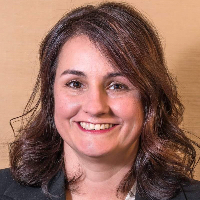
Rachael McKinnon is a Licensed Master Social Worker (LMSW) practicing in Michigan with 14 years of clinical experience. She focuses on helping people who feel overwhelmed by stress, anxiety, depression, addictions, grief, relationship struggles, and other major life changes. Her work is grounded in steady support and straightforward collaboration.
She aims to make therapy practical and relatable. Sessions center on clear goals like improving sleep, managing anger, rebuilding self-esteem, or coping with chronic illness. She uses approaches that teach skills and explore patterns so people can try new ways of responding to hard situations.
Rachael blends several evidence-based methods into a flexible style. That can include acceptance and commitment strategies, cognitive-behavioral techniques, dialectical behavior skills, mindfulness practices, and client-centered listening. She helps people practice new habits, challenge unhelpful thoughts, and build everyday coping skills.
Her background includes work with trauma and abuse, mood disorders including bipolar, and substance use concerns. She also supports those dealing with abandonment, caregiver stress, body image, communication problems, and the effects of divorce or domestic violence. Her practice pays attention to both emotional and practical needs.
People who choose her often want a therapist who is direct, compassionate, and goal-focused. She collaborates to set realistic steps and teaches tools clients can use between sessions. Those looking for steady, skills-based support around money-related stress or career strain may find her approach especially useful.
How Rachael’s approaches translate to online care
Rachael uses methods that teach practical skills and help people change unhelpful patterns. Acceptance and Commitment Therapy (ACT) focuses on noticing thoughts without getting stuck in them and committing to actions that reflect personal values. It is useful when someone wants to reduce avoidance and regain momentum in life.Cognitive Behavioral Therapy (CBT) helps identify and change thinking and behavior patterns that fuel anxiety or depression. It includes clear, step-by-step tools like behavioral experiments and thought records that people can practice between sessions.
Dialectical Behavior Therapy (DBT) brings concrete skills for managing intense emotion, improving distress tolerance, and strengthening communication. These tools often help with anger, mood instability, and relationship struggles.
Finding the right approach is part of the work together. The therapist will talk with clients about their goals, try methods that fit those goals, and adjust the plan based on what helps. That collaborative process aims to match techniques to a person’s needs and preferences.
Online therapy can make it easier to fit sessions into a busy life, reduce travel time, and allow people to use skills in real-world moments. Because specific session formats are not listed here, please confirm available options before booking. The focus is on practical, teachable tools that can be practiced between appointments and applied directly to everyday challenges.
Areas of focus
Frequently asked questions
What kinds of problems does she help with?
She works with a wide range of concerns, including stress, anxiety, depression, addictions, grief, trauma, relationship and family issues, sleep problems, anger, and career concerns.
What is her therapy style like?
Her style is warm, straightforward, and collaborative. She teaches practical skills and pairs them with a listening approach that helps people understand patterns behind their struggles.
How much clinical experience does she have?
Rachael has 14 years of clinical experience working in psychotherapy settings across a range of mental health concerns.
What credential does she hold and where is she located?
She holds an LMSW, which stands for Licensed Master Social Worker, and she practices in Michigan.
Can I work with her if I live outside the United States?
Sessions are offered in English and she is not currently accepting international clients.
What session formats are offered?
Please confirm current session options before booking, as the available formats are not specified here.
How much do sessions cost?
Cost varies with location and therapist availability; sessions use a subscription that can be canceled at any time.
How do I begin working with her?
Click the Start Therapy button, complete a short matching questionnaire, and schedule sessions according to the therapist's posted availability.