- Attachment-centered
- Practical skills
- Relational repair
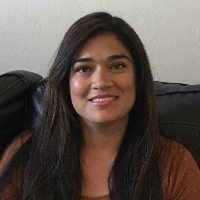
About Rachel
Rachel Bentley is a licensed marriage and family therapist with eight years of post-licensure practice based in Arizona. She draws on long-term clinical work across schools, group homes, addiction programs, and residential services. Rachel focuses on helping people untangle how past relationships shape current feelings, thoughts, and reactions.
Her approach centers on attachment and object relations ideas. She talks with clients about how early caregiver relationships influence trust, communication, and closeness now. Rachel mixes practical skills work with relational insight so people can notice patterns and try different ways of relating.
She uses cognitive-behavioral techniques to spot and change unhelpful thinking and behavior. Dialectical behavior therapy skills get used when emotions run high and people need new ways to regulate and cope. Emotionally focused and attachment-based ideas guide work on closeness, repair, and rebuilding trust.
Rachel has worked with a wide range of concerns, including stress, anxiety, depression, relationship strain, trauma and abuse, addictions, parenting challenges, grief, and intimacy-related issues. She also addresses abandonment, codependency, communication problems, infidelity, and issues common to first responders.
Sessions emphasize empowering each person to recognize strengths and build new coping skills. Rachel helps clients test small changes in how they relate and supports them in practicing new responses. She also helps families and individuals consider how past patterns influence current problems and choices.
How attachment and skills-based work translate to online care
Attachment-based work looks at how early relationships shape current connection patterns. In practice this means talking about past caregiver relationships and noticing how those patterns show up now in trust, closeness, and conflict. Client-centered work focuses on listening, validation, and helping someone name their priorities so therapy follows the person's pace and goals. Cognitive behavioral work helps people identify specific thoughts and behaviors that keep problems going and then experiment with new responses. Finding the right approach is part of the work. The therapist will collaborate with each person to decide which ideas and techniques fit their needs and goals. That may mean combining relational conversation with concrete skills practice and checking in about what feels useful as therapy progresses. If you are considering online sessions, confirm the current session options before booking. Online work can make it easier to fit appointments into busy days, allow shorter check-ins when needed, and reduce travel time. It also lets people use skill practice and emotion regulation exercises during real-life moments and brings relational conversations into a setting that matches daily routines.Areas of focus
Frequently asked questions
What kinds of problems does this therapist help address?
Rachel works with stress, anxiety, depression, relationship strain, trauma and abuse, grief, addictions, parenting concerns, intimacy-related issues, anger, and coping with life changes.
How would you describe her therapy style?
Her style combines relational understanding with hands-on skills. She helps people spot unhelpful thoughts and practice different ways of responding in relationships.
What is her clinical background and experience?
She has eight years of post-licensure practice and prior experience in schools, group homes, addiction programs, and adult residential services.
What credentials does she hold and where is she located?
She is an LMFT licensed in Arizona and practices from that state.
Which languages are available for sessions?
Sessions are offered in English.
Can people outside the U.S. work with her?
She is not currently accepting international clients.
How does pricing work for sessions?
Cost varies with location and therapist availability; sessions use a subscription that can be canceled at any time.
What should I do to begin working together?
Select the Start Therapy button, complete a short matching questionnaire, and then schedule according to therapist availability.