- Warm client focus
- CBT and mindfulness
- Money and stress issues
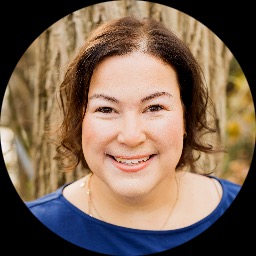
About Rachel
Rachel Chernow is a licensed clinical professional counselor (LCPC) practicing in Maryland. She focuses on helping people manage stress, anxiety, depression, addictions, and other life challenges including money and financial issues. Rachel aims to create a warm, steady atmosphere where clients feel heard and respected from the first conversation.
She centers the early work on building a trusting relationship. That connection guides how she picks tools and steps for each person. Sessions emphasize clear goals and practical steps people can use between meetings to reduce distress and handle daily pressures.
Rachel blends client-centered work with cognitive behavioral ideas and mindfulness practices. She uses conversations to identify unhelpful thinking patterns, then helps clients try different behaviors and notice what changes. Mindfulness is introduced as a simple way to reduce reactivity and increase focus in stressful moments.
Her background includes a master’s degree in clinical counseling from Johns Hopkins University and more than a decade of clinical experience across private practice and community settings. The LCPC credential is held in Maryland and reflects work in clinical counseling.
People come to Rachel for many concerns such as relationship and communication problems, grief, trauma and abuse, caregiver stress, parenting strains, ADHD, and mood challenges like bipolar disorder. She also supports clients facing money and financial issues by helping them address the thoughts and emotions that get in the way of practical financial decisions.
How her approaches translate to online therapy
Rachel uses client-centered therapy, cognitive behavioral therapy (CBT), and mindfulness therapy in straightforward ways that work well online. Client-centered therapy means she listens carefully and follows the client’s lead to build trust and clarify goals. CBT involves identifying unhelpful thoughts, testing them, and practicing new behaviors between sessions to reduce symptoms. Mindfulness therapy teaches simple attention and breathing exercises to lower reactivity and improve focus.Choosing the right approach is a team effort. Rachel will talk with each person about their goals, daily routines, and what feels doable. Together they decide which tools to try first, and they adjust the plan as progress or new needs appear.
Practical benefits of online therapy include fitting sessions into a busy day and keeping continuity when life is unpredictable. Since specific session formats are not listed in the biography, confirm current options before booking. Online work can make it easier to practice skills between sessions and to keep appointments during work or caregiving demands.
Areas of focus
Frequently asked questions
What kinds of problems does Rachel address?
She helps people with stress, anxiety, depression, addictions, trauma and grief, plus relationship and family concerns. Money and financial issues are listed among her focus areas.
What is her general therapy style?
Rachel emphasizes a warm, collaborative relationship and focuses on practical steps. She combines client-centered listening with cognitive strategies and mindfulness exercises.
How much clinical experience does she have?
She has 13 years of experience working in private practice and community settings with a range of diagnoses and concerns.
What are her credentials and where is she based?
She holds the LCPC credential in Maryland and practices there.
Which languages are sessions offered in?
Sessions are offered in English.
Can international clients work with her?
International clients are not currently accepted.
How are sessions billed and what do they cost?
Cost varies with location and therapist availability; sessions use a subscription that can be canceled at any time.
How do I begin working with Rachel?
Select the Start Therapy button, complete a short matching questionnaire, and schedule according to therapist availability.