- Person-centred approach
- Trauma-informed support
- Practical coping skills
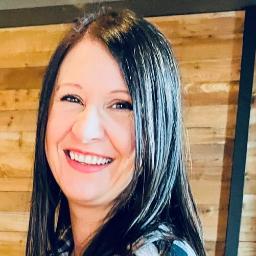
About Rachel
Rachel Hamilton is a BACP-registered counsellor who uses a person-centred, integrative style to help people who feel overwhelmed. She keeps sessions calm and non-judgemental so clients can talk through worries at their own pace. Rachel aims to build a relationship where people feel heard and supported as they work on practical steps forward.
She adapts each session to the individual, matching approach and pace to what the person needs. That can mean focusing on everyday coping skills, looking at how thoughts and behaviours connect, or giving space to process loss and grief. She offers a steady presence for people facing stress, anxiety, depression, trauma and relationship difficulties.
Rachel has five years of counselling experience and has worked with organisations supporting victims of emotional abuse, domestic and sexual violence. That background informs her sensitive approach to trauma and recovery. She also supports people with issues such as low self-esteem, addiction, sleeping or eating concerns, and parenting strain.
Her training includes a COSCA-accredited Diploma and a COSCA Certificate in Counselling, and she is a member of the British Association for Counsellors and Psychotherapists. Rachel uses ideas from Acceptance and Commitment Therapy, Cognitive Behavioural Therapy and Dialectical Behaviour Therapy when these match a client's goals.
Clients can expect straightforward conversation, practical strategies, and a clear focus on achievable goals. Rachel works collaboratively to help people make sense of difficult feelings and take manageable steps toward change.
How Rachel’s approaches translate to online work
Rachel often draws on Acceptance and Commitment Therapy and Cognitive Behavioural Therapy in her practice. Acceptance and Commitment Therapy helps people notice unhelpful thoughts and choose actions that match their values, which can ease worry and low mood. Cognitive Behavioural Therapy focuses on identifying unhelpful thinking patterns and trying small behaviour changes to reduce symptoms such as anxiety or low mood.Choosing the right approach is a collaborative process. Rachel will talk with a person about their goals and preferences and try methods that fit those aims. She checks in as therapy continues and adapts what she uses so the work stays practical and relevant.
The original biography does not list specific online formats, so please confirm current session options before booking. Many people find online sessions helpful because they can fit appointments around work, reduce travel time, and allow shorter check-ins when needed. Talk with Rachel about what will work for you and how to schedule sessions that slot into everyday life.
Areas of focus
Frequently asked questions
What concerns does Rachel commonly address?
She works with stress, anxiety, depression, trauma and relationship difficulties, plus eating, sleeping and parenting concerns and issues around self-esteem and addiction.
How would you describe her therapeutic style?
Rachel uses a person-centred, integrative style that prioritises listening and tailoring sessions to each person's needs and goals.
What experience does she bring to sessions?
Rachel has five years of counselling experience and volunteer work supporting victims of emotional abuse and sexual and domestic violence.
What credentials and region are relevant?
She holds a COSCA-accredited Diploma and COSCA Certificate in Counselling and is a member of the British Association for Counsellors & Psychotherapists; she practises in the United Kingdom.
Which languages are offered and can international clients be supported?
Sessions are offered in English and Rachel accepts international clients.
What session formats are available?
The biography does not specify formats; please confirm current session options before booking.
How are fees and payment handled?
Cost varies with location and therapist availability; sessions use a subscription that can be cancelled at any time.
How do I begin working with Rachel?
Click the Start Therapy button, complete a short matching questionnaire, and schedule according to therapist availability.