- Empathic listening
- Practical tools
- Non-judgemental support
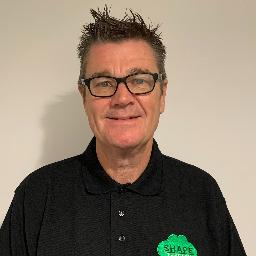
About Robert
Robert Marshall helps people facing money-related pressures alongside stress, anxiety, depression, addictions and relationship challenges. He is a BACP counsellor and writes plainly about emotional struggles so people know what to expect. His tone is down to earth and direct. He aims to make it easier to talk about difficult feelings and daily pressures.
He uses active listening and empathy to build a working relationship. Sessions focus on what matters now - feelings, behaviours and the small steps a person can try between meetings. He blends person-centred listening with practical tools drawn from cognitive behavioural therapy and motivational interviewing.
Robert is open about having lived through addiction and depression. That personal experience informs a practical, non-judgemental style and a focus on recovery and forward movement. He encourages honesty and gradual change rather than quick fixes.
In sessions he explores emotions, patterns and practical barriers that get in the way of day-to-day functioning. He can look at sleep, eating, anger, career stress, or compassion fatigue and how these affect financial wellbeing. Work often includes clear goals, simple experiments and regular review.
People who want straightforward conversation and steady progress often find this approach helpful. Before booking, confirm current session options and practical details so arrangements match each person's needs.
How his approaches work for online counselling
Client-Centred Therapy focuses on listening and understanding a person's experience. The therapist offers empathy and acceptance so people can speak openly and make their own sense of problems. Cognitive Behavioural Therapy, or CBT, looks at the links between thoughts, feelings and actions and offers practical exercises to shift unhelpful patterns. Motivational Interviewing is a brief, goal-focused way to build motivation for change and to set achievable next steps.Choosing the right approach is part of the work together. The therapist will talk with each person about their needs and preferences and try methods that feel useful. Sessions can be adjusted as progress is made, with the client and counsellor deciding what helps most.
The original biography does not list specific online session formats, so please confirm available formats before booking. Online counselling can make it easier to fit meetings around work, caregiving or travel and can reduce time spent commuting. It also allows for shorter check-ins when a quick review is helpful, or longer sessions when issues need more time. Ask about current options to find a way of meeting that suits your routine.
Areas of focus
Frequently asked questions
What kinds of problems does he help with?
He supports people with stress, anxiety, depression, addictions, grief and many life changes including financial pressures and career strain.
What is his therapeutic style like?
He works in a down-to-earth, person-centred way that uses empathy and listening, combined with practical techniques to try between sessions.
What experience does he bring to sessions?
He has five years' experience and draws on personal experience of addiction and recovery alongside his counselling work.
What credentials and where is he based?
He is registered with the British Association for Counselling and Psychotherapy (BACP) and practises from the United Kingdom.
Which languages are available for sessions?
Sessions are offered in English and he accepts international clients.
What session formats does he offer?
The original biography does not list specific session formats, so please confirm current session options with the service before booking.
How are sessions charged?
Cost varies with location and therapist availability; sessions use a subscription that can be cancelled at any time.
How do I begin working with him?
Select the Start Therapy button, complete a short matching questionnaire, and schedule according to therapist availability.