- Practical steps
- Collaborative goals
- Client-centered care
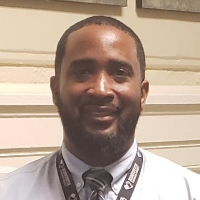
About Sherron
Sherron Bostic, LCSW, CSW, helps people navigate money-related stress alongside anxiety, depression, relationship strain, grief, and substance concerns. He focuses on everyday problems that get in the way of functioning. Short-term goals and practical steps are often part of his approach.
Sherron brings eight years of clinical experience in Georgia to his work. He listens first, asking what matters most to each person. Sessions tend to emphasize clear, achievable changes rather than long academic explanations.
He commonly uses Client-Centered Therapy to keep the conversation focused on the client's perspective. Cognitive Behavioral Therapy is used to identify unhelpful thinking and to build new coping habits. Motivational Interviewing helps when someone is unsure about making a change.
His background includes work with stress, trauma and abuse, anger, self-esteem, relationship and family issues, addictions, bipolar disorder, ADHD, and many related concerns. He also addresses caregiving strain, chronic illness and disability, divorce and separation, and communication problems.
Sherron aims for a collaborative, respectful tone in sessions. He helps people set clear goals and checks progress together. People who prefer straightforward, practical support may find his style fits well.
Approaches that translate well to online work
Client-Centered Therapy focuses on listening and reflecting what matters most to the person. Online sessions can keep this gentle, person-led tone while working through money worries, relationship strain, or stress. Cognitive Behavioral Therapy helps identify unhelpful thoughts and test new behaviors. In remote sessions this often means setting clear, short exercises to practice between meetings and reviewing what's changed. Dialectical Behavior Therapy brings practical skills for managing strong emotions and improving interpersonal effectiveness. Elements of DBT such as breathing, grounding, and communication practice can be introduced and coached during sessions. Choosing the right approach is a team effort. The therapist will talk with the client about needs, goals, and preferences and suggest which methods to try first. That plan can be adjusted as progress is tracked. The original biography does not list which online formats are offered, so confirm current session options before booking. Online work can make scheduling easier, help fit sessions into a busy day, and allow focused check-ins or homework reviews without travel.Areas of focus
Frequently asked questions
What kinds of problems does he address?
He supports people dealing with money and financial stress as well as anxiety, depression, trauma and related issues listed in his specialties.
How would he describe his therapeutic style?
He works in a collaborative, down-to-earth way and focuses on practical steps and goal-setting rather than theory-heavy sessions.
What experience does he have?
He has eight years of clinical experience providing care in Georgia and working with a wide range of concerns.
What credentials and location are listed?
He holds LCSW and CSW credentials and practices in Georgia.
Which languages are supported and are international clients accepted?
Sessions are offered in English and international clients are not currently accepted.
What session formats are available?
The original biography does not specify session formats; please confirm the current session options before booking.
How are costs handled?
Cost varies with location and therapist availability; sessions use a subscription that can be canceled at any time.
How do I begin working with him?
Click the Start Therapy button, complete a short matching questionnaire, and schedule according to therapist availability.