- practical coping skills
- trauma-informed approaches
- focus on life changes
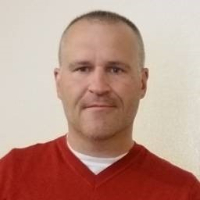
About Thomas
Thomas Smith is an LCSW who practices in Pennsylvania. He introduces himself simply and focuses on helping people manage stress, anxiety, grief, and difficult life changes. He also addresses relationship and intimacy-related concerns as well as issues around addiction, sleep, parenting, and self-esteem.
He earned a Master of Social Work degree and brings three years of professional practice to his current work. Thomas prefers to work with each person to choose which methods fit best. He describes his work as collaborative and practical, aiming to make therapy feel useful from the first sessions.
In sessions he draws on several approaches, including Cognitive Behavioral Therapy, EMDR, Narrative Therapy, Psychodynamic Therapy, and Solution-Focused Therapy. He uses these approaches to help people process trauma, shift unhelpful thoughts and behaviors, and develop concrete coping strategies. Treatment plans are tailored to the individual’s concerns and goals.
Thomas’s interests cover a wide range of topics such as ADHD, compassion fatigue, career questions, bipolar concerns, and coping with illness or caregiver stress. He also helps people with boundaries, communication problems, control issues, and body image worries. He speaks English and practices in Pennsylvania.
To begin, people pick the Start Therapy button, fill a short matching questionnaire, and schedule according to therapist availability. Costs vary by location and sessions use a subscription that can be canceled at any time.
Approaches used in online work and what they do
Thomas uses Cognitive Behavioral Therapy to help people notice and change unhelpful thoughts and behaviors; this approach is often used for anxiety, depression, sleep problems, and stress. Eye Movement Desensitization and Reprocessing, or EMDR, is a trauma-focused approach that helps people process distressing memories so they feel less overwhelming. Narrative Therapy looks at the stories people tell about their lives and helps rewrite those stories to support healthier choices and self-image.Finding the right approach is part of therapy. Thomas collaborates with each person to choose methods that match their needs, goals, and preferences. He will discuss options, try different techniques when needed, and adjust the plan as progress and priorities become clearer.
The original profile does not list specific online session formats, so confirm current session options before booking. Online work can make it easier to fit therapy into a busy life - for example, it can reduce travel time, allow shorter check-ins during a workday, or avoid needing to be on camera when that feels better. Licensed professionals can use these approaches effectively through remote sessions when the format fits the person’s routine and goals.
Areas of focus
Frequently asked questions
What concerns does this therapist address?
He helps people with stress, anxiety, depression, grief, trauma and abuse, addictions, relationship and intimacy-related issues, sleep and parenting concerns, ADHD, and many other life challenges.
What is his therapeutic style like?
He works collaboratively to pick approaches that fit each person. Sessions focus on practical steps, processing difficult memories, and changing unhelpful patterns.
What is his background and experience?
He holds an MSW and has three years of practice experience listed in his profile working with a broad range of issues.
What credentials and location are listed?
He is an LCSW licensed in Pennsylvania and conducts practice from that state.
In which language can I work with him?
Sessions are offered in English only.
Which session formats are available?
The original profile does not specify session formats; please confirm current session options before booking.
How are costs handled for sessions?
Costs vary with location and therapist availability, and sessions use a subscription that can be canceled at any time.
How do I get started with this therapist?
Select the Start Therapy button, complete a short matching questionnaire, and schedule according to therapist availability.