- Client-centered focus
- Skills-based tools
- Works with trauma
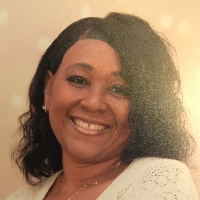
About Tina
Dr. Tina Marie Glover uses a client-centered approach that places the person's goals and experience at the center of each session. She combines this orientation with practical methods such as cognitive behavioral techniques and dialectical strategies to help people identify unhelpful patterns and build workable skills. Dr. Glover has 22 years of experience in counseling and rehabilitation settings and brings a calm, direct style to conversations about stress, anxiety, addiction, and other concerns.
She earned a doctorate in Counseling from Oregon State University with a specialty in Counselor Education and Supervision. She also holds a Master of Science in Counseling from Portland State University and a bachelor’s degree in sociology and psychology. Her background includes work in residential, outpatient, academic, and correctional settings, which informs how she tailors support to different life circumstances.
In sessions she uses clear, practical techniques aimed at immediate problems and longer-term goals. That can mean learning skills to manage strong emotions, practicing ways to change unhelpful thoughts, or setting steps to reduce addictive behaviors. The work is collaborative and paced to what the client can manage.
Dr. Glover helps people facing depression, trauma and abuse, relationship struggles, parenting strain, grief, and intimacy-related issues. She also addresses career concerns, self-esteem, bipolar challenges, and a range of family-of-origin and communication problems. Money and financial issues are included among the areas she lists.
She offers support for people dealing with adoption and foster care matters, aging and caregiver stress, codependency, and domestic violence impacts. Her approach emphasizes straightforward conversation, skill-building, and practical next steps to make daily life more manageable.
How therapeutic approaches shape online work
Client-centered therapy focuses on the person's priorities and lived experience. Sessions begin by asking what matters most and then shape the process around those goals, which helps people feel heard and involved in decisions about change.Cognitive behavioral therapy (CBT) looks at the link between thoughts, feelings, and actions. It uses practical exercises and homework to test new ways of thinking and behaving, which can help with anxiety, depression, and money-related stress. Dialectical behavior therapy (DBT) adds concrete skills for managing intense emotions and improving relationships, useful for anger, mood swings, and impulse-related problems.
Choosing the right approach is part of the work. The therapist will help identify which methods fit best based on the client's needs, goals, and preferences. That collaboration means techniques can be adjusted as progress is made or situations change.
This profile does not list specific online formats, so please confirm current session options before booking. Many people find online sessions easier to fit into busy days, allow shorter check-ins during breaks, or reduce travel time. The therapist uses her clinical approaches to shape sessions so they can focus on skill practice, planning around financial or career pressures, and making changes that fit everyday life.
Areas of focus
Frequently asked questions
What concerns does this therapist address?
The therapist works with stress, anxiety, addictions, trauma and abuse, depression, relationship problems, grief, parenting concerns, and intimacy-related issues among others.
What is the general therapy style used in sessions?
Sessions are client-centered and collaborative, using practical techniques from cognitive behavioral therapy and dialectical behavior therapy to address thoughts, emotions, and behaviors.
How long has this therapist been practicing?
She has 22 years of experience in the human service and counseling fields, including work in residential, outpatient, academic, and correctional settings.
What credentials and location are listed for the therapist?
Credentials include LPC and LPCC, with licensure in multiple states; the therapist practices from Oregon.
Which languages and international options are available?
Sessions are offered in English and the therapist accepts international clients.
What session formats can I book?
The biography does not specify session formats, so confirm current format options when scheduling to know whether video, phone, or other formats are available.
How is cost handled for sessions?
Cost varies with location and therapist availability, and sessions use a subscription that can be canceled at any time.
How do I begin if I want to work together?
Use the Start Therapy button, complete a short matching questionnaire, and then schedule according to the therapist's availability.