- Client-centered care
- Skills-based methods
- Wisconsin licensed
About Toni
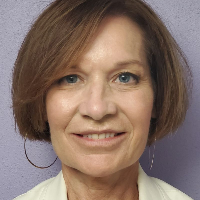
Dr. Toni Morgan-Jones practices with a client-centered style that helps people feel heard and understood. She is a Wisconsin psychologist with 23 years of experience who focuses on everyday struggles like stress, anxiety, depression, relationship concerns, and grief. Her approach is calm and practical, and she aims to help people take small, useful steps toward feeling better.
She uses a mix of methods to match each person's needs, including cognitive behavioral techniques to spot and change unhelpful thinking patterns and narrative ideas to reframe difficult life stories. Dialectical behavior therapy tools and mindfulness practices are part of her work when emotion regulation and present-moment coping are the goal. These approaches are used in plain language and with concrete skills you can use between sessions.
Dr. Morgan-Jones has worked in outpatient clinics, county mental health services, and integrated programs across both urban and rural areas of Wisconsin. That variety has shaped a flexible, practical style that suits people facing complicated life stressors, persistent mood instability, or long-term caregiving strain. She has experience with trauma, family conflict, and serious mental health conditions within that wider practice.
Clients can expect steady guidance, a focus on real-world problem solving, and help naming how past events affect current choices. The work often starts with clear, short-term goals and builds toward longer-term change. She holds the credential WI Psychologist 2785-057 and practices in Wisconsin.
Because therapy is a collaborative process, she and each client decide together which techniques fit best and how to pace the work.
How her approaches translate to online therapy
Client-centered therapy focuses on listening and building trust so people can talk through what matters most. Online work can follow the same rhythm, with the therapist reflecting concerns and helping clients set manageable goals. Cognitive behavioral therapy (CBT) teaches practical steps to notice and change unhelpful thoughts and behaviors; these lessons work well in short exercises and homework that can be reviewed between sessions. Dialectical behavior therapy (DBT) offers skills for emotion regulation, distress tolerance, and interpersonal effectiveness, which translate into concrete tools clients can practice in daily life.Choosing the best approach is part of the early work. The therapist will discuss goals, preferences, and what techniques feel useful, then adjust the plan together. That collaborative process helps match methods to the issues you bring, whether those are mood instability, trauma symptoms, grief, or stress related to caregiving or career pressures.
The practical benefits of online therapy include easier scheduling and fitting sessions into a busy life. Online sessions can reduce travel time and make it simpler to keep regular check-ins. Because formats are not listed in the biography, confirm available session options before booking so you know how appointments will be held. Overall the focus remains on teaching skills, checking progress, and adapting tools to everyday situations.
Areas of focus
Frequently asked questions
What issues does she commonly address?
She helps people dealing with stress, anxiety, depression, grief, trauma, relationship and intimacy concerns, anger, self-esteem, career stress, bipolar mood instability, and compassion fatigue.
How would you describe her therapeutic style?
Her style is client-centered and practical, combining cognitive behavioral, dialectical behavior, mindfulness, and narrative approaches to teach coping skills and reframe difficult experiences.
What kind of experience does she bring?
She has 23 years of experience working in outpatient clinics, county mental health services, and integrated programs across Wisconsin, including both urban and rural settings.
What credentials and location are on record?
She is listed as WI Psychologist 2785-057 and her practice is located in Wisconsin.
In which language are sessions conducted?
Sessions are offered in English.
Are international clients accepted?
She is not currently accepting international clients.
How are sessions scheduled and what is the cost structure?
Cost varies with location and therapist availability; sessions use a subscription that can be canceled at any time.
How do I begin if I want to work with her?
Click the Start Therapy button, complete a short matching questionnaire, and schedule according to therapist availability.