- Straightforward guidance
- Skills and tools
- Values-based work
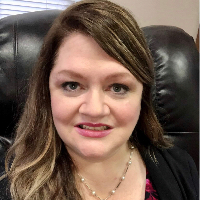
About Tracey
Tracey Byram, LPC, helps people facing money stress as one of many concerns she addresses, including anxiety, depression, bipolar disorder, trauma, and addiction. She brings 27 years of experience and a steady, straightforward approach to sessions. People describe wanting practical tools and clearer thinking about life challenges; Tracey focuses on usable strategies that fit day-to-day life.
She draws on Cognitive Behavioral Therapy to identify patterns and shift unhelpful thoughts and actions. Dialectical Behavior Therapy skills are used when emotions feel overwhelming and people need grounding tools. Acceptance and Commitment Therapy helps clients notice what matters and take small steps toward those values.
Her style is client-centered and collaborative. She listens first and then suggests simple, concrete steps. Sessions often include skill practice, problem solving, and planning for real situations outside therapy.
Tracey has worked with people across many stages of life, and she has developed experience supporting LGBT clients over the past decade. She has also incorporated attachment-focused ideas when relationships and family dynamics are central to the concern.
Outside the office she has used animal-assisted work in the past and enjoys reading, hiking, and home projects. People who choose her can expect calm, practical guidance aimed at helping them make changes they can keep.
How her approaches translate to online work
Acceptance and Commitment Therapy helps people notice what matters to them and take small, committed steps toward those values. It focuses on action and practical experiments that fit into daily routines. Cognitive Behavioral Therapy looks at the links between thoughts, feelings, and behavior and teaches concrete exercises to change unhelpful patterns. These exercises can include brief at-home practices and thought records. Dialectical Behavior Therapy offers specific skills for managing intense emotions, improving distress tolerance, and strengthening interpersonal effectiveness; it is useful when someone needs steadying tools to use in heated moments.Finding the right approach is a team effort. The therapist will talk with the person about goals, try out techniques, and adjust the plan based on what works. Clients collaborate on which methods feel most helpful and which skills to practice between sessions.
Session formats are not listed in the original biography, so confirm available online options before booking. Many people find that online sessions make it easier to fit therapy into work or family schedules, allow quicker check-ins, and support practicing skills in real-life settings. Others prefer a longer weekly appointment for deeper work. The focus is on matching therapy to your needs and finding practical ways to use what you learn in everyday life.
Areas of focus
Frequently asked questions
What kinds of concerns does she help with?
She supports people with stress, anxiety, trauma, mood disorders like bipolar and depression, addictions, relationship and family issues, grief, parenting pressures, eating and sleeping issues, ADHD, and money and financial issues among other concerns.
What is her therapeutic style like?
Her style is collaborative and down-to-earth. She listens, helps set practical goals, and teaches skills to use between sessions.
How much clinical experience does she bring?
She has 27 years of experience working in clinical settings with a range of concerns and populations over her career.
What are her credentials and where is she based?
She is a Licensed Professional Counselor, listed as LPC in Georgia.
Which languages are sessions offered in?
Sessions are offered in English.
Are international clients seen?
She does not accept international clients at this time.
How are fees and payment handled?
Cost varies with location and therapist availability; sessions use a subscription that can be canceled at any time.
How do I begin working with her?
Click the Start Therapy button, complete a short matching questionnaire, and schedule according to therapist availability.