- Listening-first approach
- Practical coping steps
- Focus on daily life
About Washington
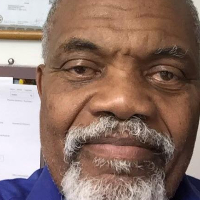
Washington Cisco, LCSW, helps people dealing with stress, anxiety, grief, sleeping problems, depression, and relationship strain. He also addresses money and financial issues alongside concerns like attachment, control, guilt, and life purpose. He works in a straightforward, caring manner and aims to help people manage day-to-day difficulties so they can function better.
Cisco has nearly four decades of experience in mental health work, beginning with children and youth in 1986 and returning to outpatient care in 2013. He currently works with adults in the prison system, ranging from 19 to 70 years old. This long span of practice brings experience with a wide variety of life situations and stressors.
In sessions he favors a listening-first approach. He treats people with respect and avoids judgment. His style emphasizes the client’s self-determination - the person in the room helps set the pace and goals.
Treatment is pragmatic and collaborative. He uses methods that help people notice unhelpful thoughts, try small changes, and build daily habits that support coping. Mindfulness and short-term, goal-focused conversations are part of how he works.
People who come for help can expect a calm, supportive space to talk about what is hard. Counseling focuses on practical steps for better sleep, reduced worry, clearer communication, and managing financial stress as it affects daily life.
How therapy approaches translate to online work
Client-Centered Therapy centers on listening and following the client's lead. The therapist focuses on understanding each person's views and priorities, helping them set goals and make choices that feel right. This approach supports issues like depression, grief, and life direction by keeping the person's experience central.Cognitive Behavioral Therapy, or CBT, helps people notice thought patterns that increase stress or worry and then try practical changes. It is often used for anxiety, sleep troubles, and low mood by suggesting experiments and small behavior shifts to test what helps.
Finding the right approach is a collaborative process. The therapist will work with the client to decide which methods match their needs and preferences, and may combine elements of different approaches over time. Treatment plans are shaped by the client's goals and what feels useful in real life.
For session logistics, please confirm current session options before booking since formats are not specified here. In general, online work can make it easier to fit counseling into a busy schedule, allow shorter check-ins when needed, and remove travel time. These practical benefits can help people keep progress steady while managing day-to-day responsibilities.
Areas of focus
Frequently asked questions
What kinds of concerns does this therapist address?
He helps with stress, anxiety, relationship strain, grief, sleeping problems, and depression, and also works with issues like money and financial problems, attachment, and control.
How would you describe the therapist's style in sessions?
He uses a caring, listening-first approach that avoids judgment and emphasizes the client's own choices and goals.
What background and experience does he bring?
He has 39 years of experience, starting work with children and youth in 1986, returning to outpatient services in 2013, and currently working with adults in the prison system.
What are his credentials and where is he based?
He holds an LCSW and practices in Illinois.
Which languages are available for sessions?
Sessions are offered in English.
Can people outside the United States work with him?
International clients are not currently accepted.
How is cost handled for sessions?
Cost varies with location and therapist availability; sessions use a subscription that can be canceled at any time.
What is the process for getting started?
Begin by selecting the Start Therapy button, complete a short matching questionnaire, and then schedule according to therapist availability.