- Relationship struggles
- Trauma recovery
- Practical skills
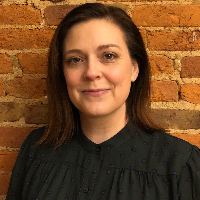
About Wendy
Wendy Gaunt is a Licensed Professional Counselor (LPC) in Pennsylvania with five years of clinical experience. She supports people facing relationship problems, trauma and abuse, anxiety, depression, addiction concerns, grief, and issues related to gender and sexuality. Wendy aims to create a respectful, direct space where people can talk through difficult feelings and make changes that matter to them.
Wendy sees counseling as a partnership. She centers the person in the room and uses a strengths-based, person-centered stance to guide sessions. That means listening closely, asking practical questions, and helping people notice what already works for them.
In practice she draws on a mix of approaches including cognitive behavioral work, acceptance and commitment ideas, attachment-focused thinking, and existential perspectives. These methods are used to help with patterns in thinking, painful reminders from the past, struggles with meaning, and improving close relationships.
Sessions tend to focus on clear goals such as reducing anxiety, improving communication, managing cravings or mood swings, and coping with life changes. Wendy combines supportive conversation with hands-on strategies so people leave sessions with something to try between meetings.
She works with adults on a range of concerns including parenting stress, career strain, eating and sleeping difficulties, and issues of intimacy and commitment. Sessions are carried out in English and follow a collaborative pace set by each person.
Therapeutic approaches and how they work online
Acceptance and Commitment Therapy (ACT) emphasizes noticing thoughts and feelings without getting ruled by them, then choosing actions that align with personal values; it can help with anxiety, depression, and motivation. Attachment-Based Therapy looks at how early relationships shape current patterns and aims to improve trust and connection in close relationships. Cognitive Behavioral Therapy (CBT) focuses on identifying unhelpful thinking and testing new behaviors to reduce distress and improve daily functioning.Finding the right approach is part of the work. The therapist collaborates with each person to choose methods that match their goals, needs, and preferences. That means trying strategies, checking what helps, and adjusting the plan together over time.
The original biography does not list specific online formats, so confirm available session types before booking. Online work can make it easier to fit appointments into a busy life, reduce travel time, and allow follow-up check-ins between in-person visits when those are offered. It can also let people use shorter or more frequent meetings to manage a busy schedule or practical strains. Licensed professionals adapt tools from ACT, attachment work, and CBT to suit remote sessions and the goals the person brings to therapy.
Areas of focus
Frequently asked questions
What concerns does Wendy help with?
She supports people with relationship problems, trauma and abuse, anxiety, depression, addictions, grief, gender and sexuality issues, and related struggles like sleep or eating problems.
What is her general therapy style?
Her style is collaborative and person-centered, combining warmth with direct conversation and practical strategies to address immediate problems and longer-term patterns.
How much clinical experience does she have?
She has five years of experience working as a clinical mental health counselor in a range of settings.
What credentials and region are listed?
She is a Licensed Professional Counselor (LPC) practicing in Pennsylvania.
Which languages are available for sessions?
Sessions are offered in English.
What formats are used for sessions?
The original profile does not list specific session formats; please confirm current session options before booking.
How are fees handled?
Cost varies with location and therapist availability; sessions use a subscription that can be canceled at any time.
How do I begin working with her?
Use the Start Therapy button, complete a short matching questionnaire, and schedule according to the therapist's availability.