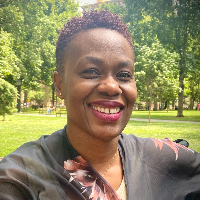
Valerie Keller Gates
LPCOklahoma · 7 yrs exp
Practical, person-focused counseling for life challenges
Stress, Anxiety · Relationship · Grief · Depression · +8 more
Read profileTherapist listings are provided by BetterHelp. We will earn a commission at no additional cost to you if you use our links to purchase.
Browse profiles of clinicians who list money and financial stress among their focus areas in the listed location of Oklahoma. You can compare approaches, languages, qualifications and experience to find professionals who may match what you want to discuss.
Use the profile grid below to open individual pages and learn more about each clinician’s focus areas and professional details before reaching out.
Oklahoma · 7 yrs exp
Practical, person-focused counseling for life challenges
Stress, Anxiety · Relationship · Grief · Depression · +8 more
Read profile
Oklahoma · 20 yrs exp
Practical therapy and coaching for life change
Stress, Anxiety · Self esteem · Coping with life changes · Coaching · +1 more
Read profile
Oklahoma · 9 yrs exp
Practical, collaborative therapy for life challenges
Stress, Anxiety · Anger · Self esteem · Coping with life changes · +16 more
Read profile
Oklahoma · 25 yrs exp
Compassionate counselor guiding practical change
Stress, Anxiety · Family · Trauma and abuse · Parenting · +15 more
Read profile
Oklahoma · 23 yrs exp
Hopeful, practical mental health support
Stress, Anxiety · Relationship · Trauma and abuse · Self esteem · +15 more
Read profile
Oklahoma · 6 yrs exp
Straightforward support for life and money stressors
Stress, Anxiety · LGBT · Trauma and abuse · Depression · +11 more
Read profile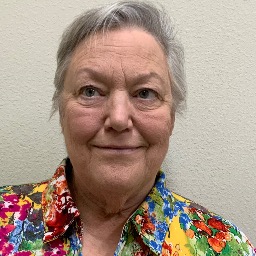
Oklahoma · 20 yrs exp
Therapist focused on practical change
Stress, Anxiety · Relationship · Family · Trauma and abuse · +5 more
Read profile
Oklahoma · 9 yrs exp
Compassionate, practical support for life’s challenges
Stress, Anxiety · Addictions · Trauma and abuse · Depression · +6 more
Read profile
Oklahoma · 25 yrs exp
Compassionate counselor for life transitions
Stress, Anxiety · Relationship · Trauma and abuse · Depression · +14 more
Read profile
Oklahoma · 7 yrs exp
Compassionate LMFT focused on relationships and coping
Stress, Anxiety · Addictions · Relationship · Trauma and abuse · +15 more
Read profile
Oklahoma · 11 yrs exp
Calm, practical therapy for everyday struggles
Stress, Anxiety · Grief · Self esteem · Depression · +8 more
Read profile
Oklahoma · 11 yrs exp
Compassionate guidance for life and relationship struggles
Relationship · Trauma and abuse · Self esteem · Coping with life changes · +12 more
Read profile
Oklahoma · 14 yrs exp
Compassionate, practical support for life stressors
Relationship · Trauma and abuse · Anger · Self esteem · +12 more
Read profile
Oklahoma · 13 yrs exp
Practical therapy for life and relationship stresses
Stress, Anxiety · Relationship · Family · Trauma and abuse · +11 more
Read profile
Oklahoma · 30 yrs exp
Calm, experienced support for life changes
Family · Grief · Parenting · Self esteem · +1 more
Read profile
Oklahoma · 25 yrs exp
Calm, practical support for life transitions
Stress, Anxiety · Relationship · Parenting · Career · +1 more
Read profile
Oklahoma · 8 yrs exp
Faith-informed counselor focused on practical change
Stress, Anxiety · Relationship · Self esteem · Depression · +1 more
Read profile
Oklahoma · 15 yrs exp
Practical support for stress and life transitions
Stress, Anxiety · Self esteem · Depression · Coping with life changes · +1 more
Read profile
Oklahoma · 8 yrs exp
Calm, practical counseling for everyday challenges
Stress, Anxiety · Trauma and abuse · Grief · Self esteem · +1 more
Read profile
Oklahoma · 3 yrs exp
Therapist focused on practical change and resilience
Stress, Anxiety · Trauma and abuse · Self esteem · Depression · +1 more
Read profile
Oklahoma · 7 yrs exp
Warm, practical support for lifes stressors
Stress, Anxiety · Trauma and abuse · Self esteem · Bipolar · +11 more
Read profile
Oklahoma · 4 yrs exp
Everyday support for real-life struggles
Stress, Anxiety · Addictions · Trauma and abuse · Self esteem · +15 more
Read profile
Oklahoma · 6 yrs exp
Therapist focused on practical change
Addictions · Relationship · Trauma and abuse · Anger · +14 more
Read profile
Oklahoma · 16 yrs exp
Compassionate guidance for life’s transitions
Stress, Anxiety · Family · Self esteem · Depression · +1 more
Read profileWhen money becomes a source of constant worry you may notice it affecting your sleep, concentration or relationships. Debt-related stress can create persistent anxiety about the future, while job loss or income changes often trigger fear, grief and uncertainty about identity and stability. You might also experience conflict with a partner over spending and saving, or feel shame around past financial decisions. These emotional responses are common and understandable.
Therapy can offer a space to explore how money-related worries connect to your mood, habits and relationships. In conversation with a clinician you can work on managing worry, building coping strategies for impulsive spending or avoidance, and improving communication around shared financial decisions. Therapists in this directory list money and financial stress among their focus areas, which means they are open to addressing the emotional and behavioral aspects of your situation. They do not provide financial, debt, legal or tax advice; for those topics you should consult a qualified financial adviser, a debt charity or a relevant legal professional.
Profiles on this site are grouped under the listed location of Oklahoma to help you find clinicians connected to that state. A listed location does not by itself prove an office address, in-person availability or permission to work with you where you live. If it matters to you that a clinician holds permission to practice in a particular jurisdiction, look for that information on the individual profile and confirm it directly with the clinician before you begin working together.
Also note the directory includes clinicians from the United States, the United Kingdom and Australia. In the US you will commonly see references to professional licenses. In the UK and Australia you will often encounter registration or membership with professional bodies. Academic degrees such as PhD, PsyD, MD, MA or MSW represent educational attainment and are not the same as a current license, registration or membership. A degree alone does not establish a clinician’s legal permission to practice in a given place. When reviewing a profile you can look for both degrees and the jurisdictional credential that matters where you live.
When you open a profile it helps to prepare a few specific questions so you can compare clinicians on meaningful points. Ask whether they commonly work with people who worry about debt, spend to cope with emotions, or face financial conflict in relationships. You can inquire which therapeutic approaches they list among their methods and ask how those approaches are typically applied to money-related concerns. For example, some clinicians list cognitive-behavioral approaches as a way to address unhelpful thought patterns around money, while others may note experiential or narrative approaches to explore your money story. If a profile mentions EMDR among its approaches you can ask what role that approach tends to play for people who have trauma related to money.
Also ask about the clinician’s experience with issues that matter to you, such as supporting people after job loss, helping couples discuss finances without escalating conflict, or working with entrepreneurs who face income volatility. If language or cultural context is important, ask about the languages they use in sessions and whether they have experience working with clients from similar backgrounds. These concrete questions help you compare profiles on how closely a clinician’s stated focus areas and approaches match your needs.
If you are considering online or in-person work there are a few practical matters to confirm ahead of time. Ask whether the clinician is permitted to work with clients in your state if you live in Oklahoma but are planning online sessions from another state. Check the profile and then confirm directly whether they have the appropriate permission or registration to provide care where you are located. Discuss how they handle records, appointment scheduling and communication between sessions so you understand what to expect.
It is also important to clarify boundaries around financial advice. Therapists can help you with the emotions and behaviors tied to money but they do not provide debt, legal or tax guidance. If you need actionable debt management or tax advice ask the clinician to recommend a qualified financial adviser, an accredited debt charity or a legal professional. Finally, talk about practical safety planning in the unlikely event of a crisis - for example, who to contact locally in an emergency - and confirm any contingency plans the clinician uses for remote care if that is your preference.
Comparing profiles becomes easier when you use consistent criteria across the clinicians you view. Start with focus areas - look for clinicians who explicitly list money, debt stress, spending or financial conflict among their interests. Then check the approaches they list and think about whether you prefer a more structured approach to changing habits or a reflective approach that explores beliefs and identity around money. Remember that a listed approach is not proof of specific training; it is a starting point for conversation.
Next consider credentials and jurisdiction. Look for degrees such as PhD, PsyD, MD, MA or MSW alongside any professional license, registration or membership relevant to the place where you would like to receive care. If the clinician is based in Oklahoma but also lists experience with remote clients from other states or countries, ask them directly whether they are able to work with you in your location. Language and cultural fit matter as well - if you communicate best in a language other than English or want someone familiar with your cultural background, look for that information on the profile and confirm it when you reach out.
Finally, think about therapeutic style and practicalities. Profiles often describe a clinician’s style in terms such as collaborative, direct or exploratory. Consider which style feels most likely to support the changes you want to make. Use the profile to note a few clinicians who seem to match on focus areas, approaches and credentials, then contact them to ask concise questions about how they work with money-related concerns. That short conversation will give you a clearer sense of fit than relying on profile text alone.
Remember that browsing this directory is a first step. Profiles grouped under the listed location of Oklahoma help you narrow your search, but they do not replace a direct conversation to confirm permission to work together where you live, the clinician’s scope of practice, and whether their approach aligns with your needs. If you need financial or debt guidance alongside emotional support, pair therapy with a qualified financial adviser or a reputable debt charity so you get both the emotional help and the technical advice you need.